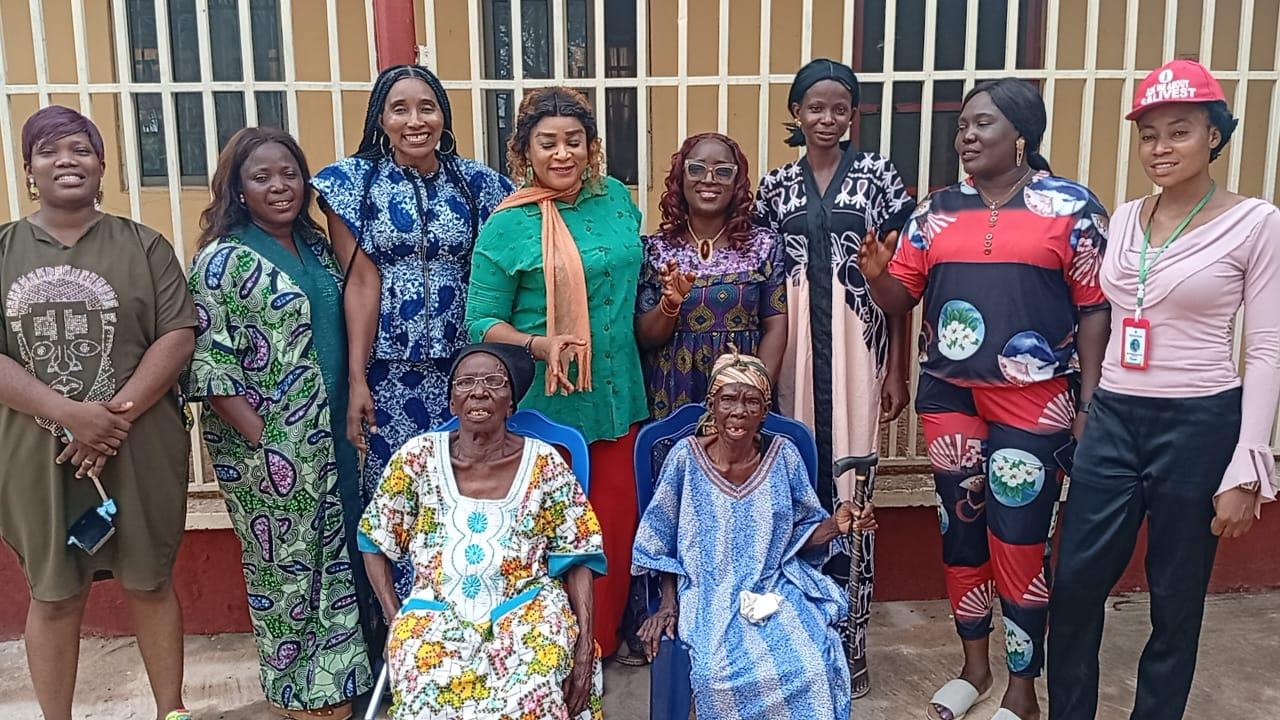
At a market stall in Lagos, Mama Ngozi fans herself with a newspaper as she shares news about her cousin in Uyo. 'They treat her like a queen in that place,' she says. 'Three meals, people to talk to, a nurse right there. She says it's peace.'
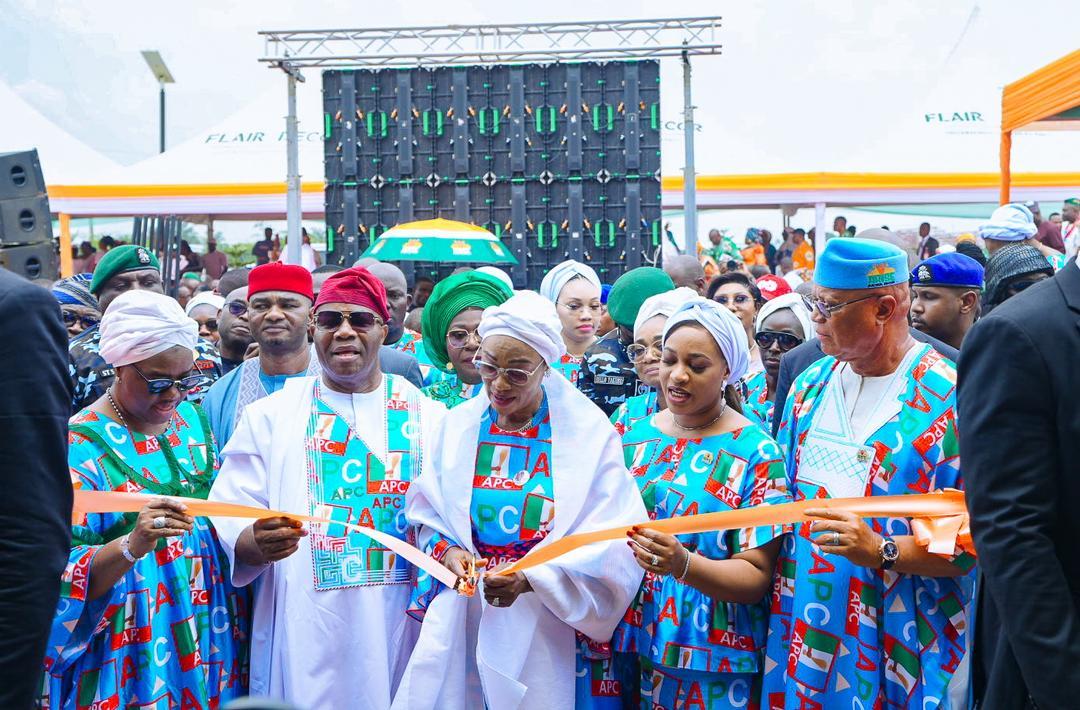
That place is the Akwa Ibom Elderly Home, and it has become the blueprint for a potential nationwide shift in how Nigeria cares for its oldest citizens. The First Lady of Nigeria has publicly called for every state to establish similar facilities—a move that resonates deeply with families grappling with the dual pressures of work, childcare, and elder care.
The Daily Struggle Behind the Policy
For many Nigerian families, caring for aging parents is a source of constant anxiety. Stories of forgotten medication, lonely falls, and social isolation are common. The Akwa Ibom model offers an alternative: a state-supported home focused on dignity, community, and consistent healthcare. It's not merely shelter; it's designed to combat the loneliness and neglect that too many elders face.
Why the Akwa Ibom Model Stands Out
According to community feedback, the home's success lies in its holistic approach. Residents participate in social activities, receive regular health monitoring, and are supported by staff trained to prioritize respect and companionship. This represents a significant departure from viewing elder care as merely a familial or charitable duty—reframing it as a societal responsibility.
The Road Ahead: Funding and Implementation
While the First Lady's endorsement elevates the issue to the national agenda, practical challenges remain. The most pressing question is funding: will this be a federally funded initiative, or will states be required to allocate their own resources? At recent community meetings, hope has been tempered by skepticism, given past unfulfilled promises. However, the proposal now forces state governors to publicly address elder care—a previously overlooked issue in many policy debates.
A Shift in National Values
Ultimately, this push is about more than buildings and budgets. It's a signal that Nigeria's elders deserve comfort, respect, and community in their later years. Replicating the Akwa Ibom model would be a tangible declaration that their well-being is a priority—and a step toward a more compassionate society.