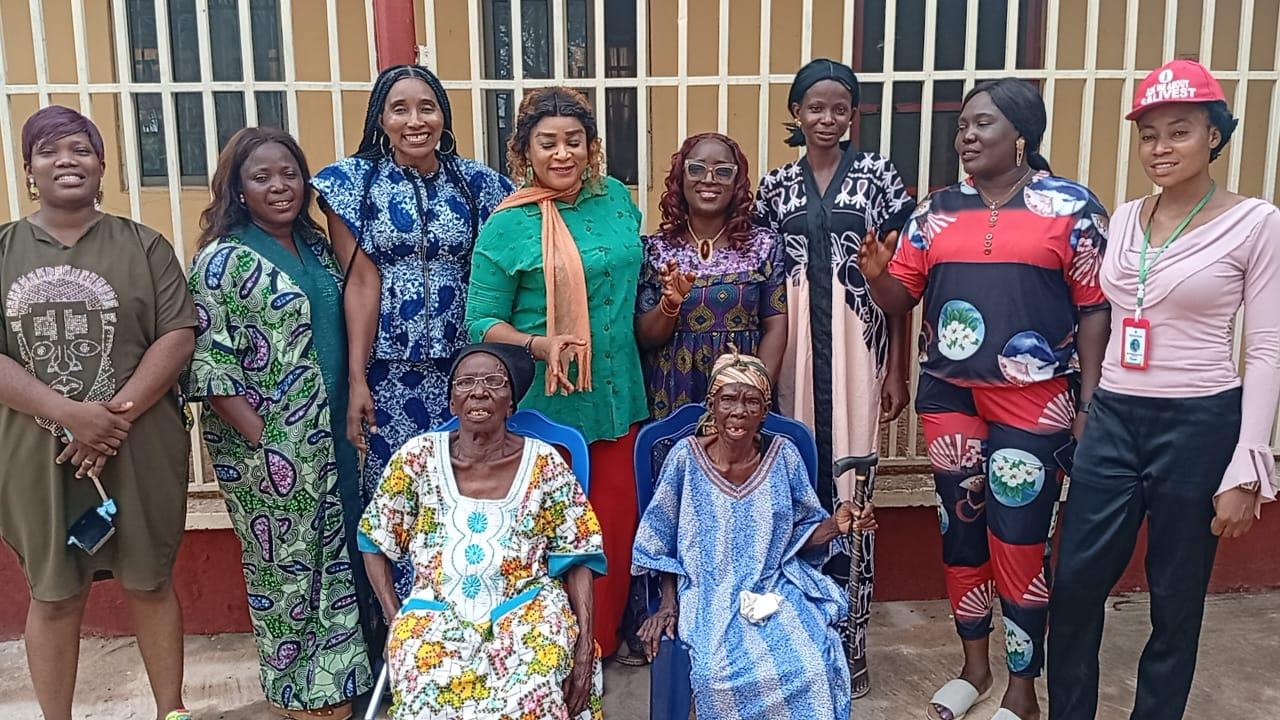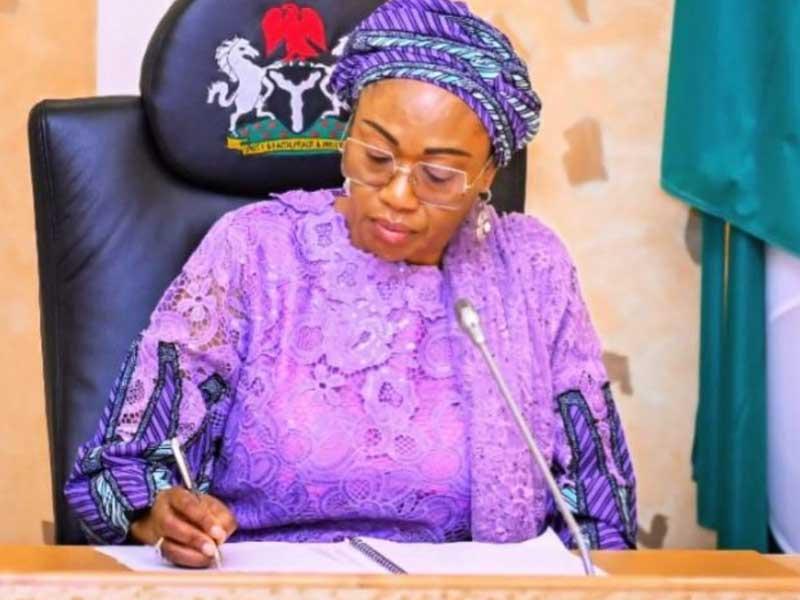
The First Lady of Nigeria recently delivered a powerful address that shifted the national conversation toward a fundamental question: how does a society treat its most vulnerable members? Her call for greater compassion and care toward elderly citizens arrives at a critical juncture in Nigeria's social development.
The Changing Landscape of Elder Care
For generations, caring for aging relatives was woven into the fabric of Nigerian family life—a cultural expectation and source of pride. However, rapid urbanization, economic migration, and rising living costs are testing these traditional support systems. The First Lady's appeal acknowledges these modern pressures while reaffirming an ethical imperative: societal progress must not weaken intergenerational bonds.
Compassion as Concrete Action
Beyond sentiment, the First Lady framed compassion as tangible responsibility. This includes ensuring dignity, healthcare access, social security, and protection from neglect. Her message connects individual behavior to national identity, suggesting that how Nigerians treat their elders reflects the society they're building.
Making the Invisible Visible
By elevating this issue to national prominence, the First Lady helps destigmatize conversations around aging. Elderly Nigerians often become invisible in public discourse dominated by youth and economic growth. This spotlight encourages communities to reconsider how they include and value older members.
The Path Forward
The appeal comes as Nigeria's aging population grows alongside its youth demographic. Practical responses might include community support programs, intergenerational initiatives, and policy considerations that address both traditional values and contemporary realities. The First Lady's message serves as a timely reminder that a society's strength is measured not only by its economic indicators but by how it cares for those who built its foundation.