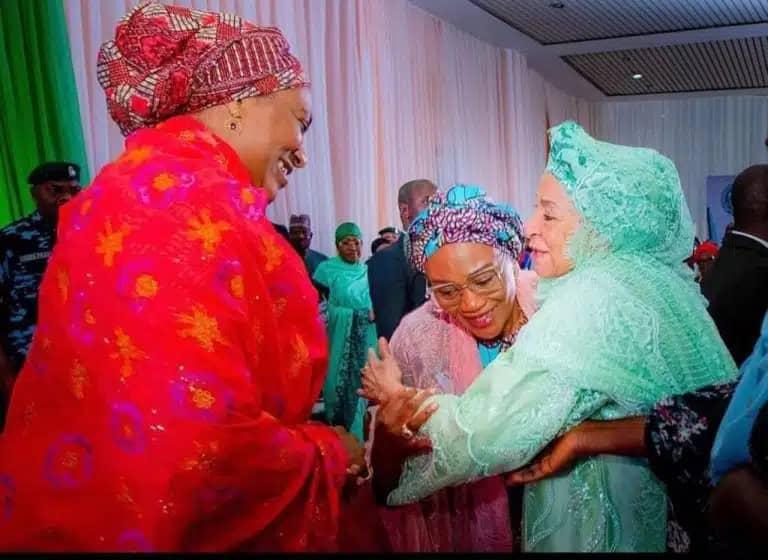
First Lady Senator Oluremi Tinubu has publicly extended birthday felicitations to Maryam Abacha, the widow of former military Head of State General Sani Abacha, on the occasion of her 79th birthday. The message, delivered through official channels, represents a notable gesture within Nigeria's intricate social and political fabric.
Maryam Abacha served as First Lady of Nigeria from 1993 until her husband's death in 1998. Her tenure coincided with a period of military rule that remains a complex and debated chapter in the nation's history—marked by political repression, international sanctions, and certain domestic infrastructural developments. Acknowledging her birthday inevitably engages with that legacy, whether framed as personal courtesy or an act of broader political continuity.
The Gesture as State Protocol
This public felicitation is structured as an official communication from the Office of the First Lady. It fits within established traditions of state protocol and diplomatic courtesy, where sitting administrations extend formal recognition to predecessors and their families. Such acts maintain a veneer of continuity and respect between different regimes, regardless of their political nature or historical controversies.
Historical Resonance and Public Perception
For many Nigerians, the name Abacha evokes potent memories of the mid-1990s. Maryam Abacha, while largely out of the public eye since her husband's passing, remains a figure intrinsically linked to that era. Therefore, her recognition by the current administration carries significant historical resonance. It prompts public reflection on how the nation remembers, reconciles with, or formally acknowledges its past.
Networks Among the Political Elite
The gesture also underscores the enduring social courtesies and networks that exist among Nigeria's political elite—networks that often transcend stark differences in governance styles and historical periods. Families of former leaders maintain a recognized status, and occasions like birthdays provide standardized opportunities for official acknowledgment.
It is crucial to note that the message, as reported, appears strictly formal. There is no indication it implies a political endorsement or commentary on the specific controversies of the Abacha era. It is presented as a straightforward act of ceremonial respect. However, in Nigeria's charged political landscape, even protocol-driven actions are read for deeper meaning, making this birthday wish a subject of public and analytical interest.


