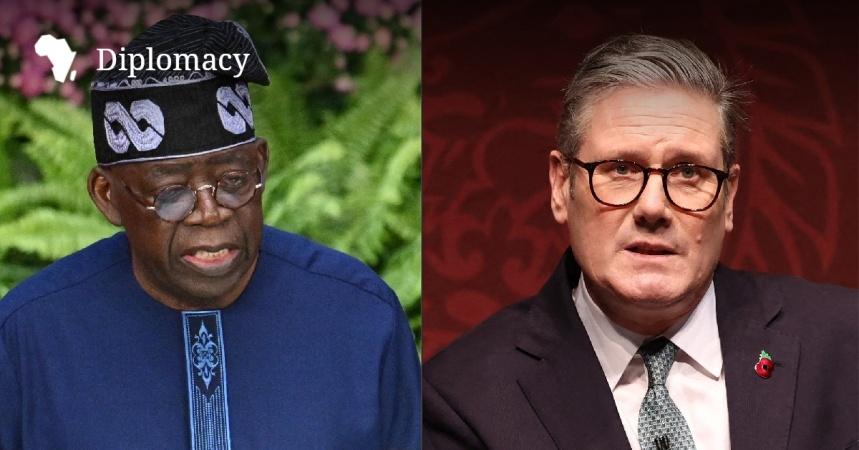
In a move signaling a deliberate shift in public communication, Nigeria's First Lady, Senator Remi Tinubu, has issued a single public message simultaneously addressing the Muslim holy month of Ramadan and the Christian season of Lent. This direct, unified address to both of the country's major faith communities from the Office of the First Lady is an uncommon occurrence, breaking from the standard practice of tailored messages for Eid or Easter.
The message arrives in March 2026, a period where the calendars of both faiths align, with millions of Nigerian Muslims beginning the dawn-to-dusk fast of Ramadan, while Christians observe the 40-day period of reflection and sacrifice leading to Easter.
Framing the Message: 'From God'
The content of the message, as indicated by its reported title 'Message from God,' consciously frames the communication as originating from a shared spiritual perspective. This linguistic choice is strategic, aiming to transcend political or sectarian divisions and resonate on a personal, devotional level with citizens across the nation's deep religious spectrum. It represents an attempt to speak a language of faith common to both traditions, emphasizing spiritual discipline and reflection.
Context: A Nation Divided
The gesture's significance is rooted in Nigeria's complex socio-religious fabric. The population is roughly split between Christianity and Islam, with tensions and violent conflicts between communities periodically flaring. Public figures, including past First Ladies and Presidents, have historically issued separate greetings, often reinforcing communal boundaries. A unified statement covering both observances in a single breath is a notable departure from that norm.
The First Lady as Bridge-Builder
As the wife of President Bola Tinubu, Remi Tinubu's platform carries considerable soft-power influence. Her decision to issue this joint message strategically places her in a role as a potential national bridge-builder. It utilizes the concurrent timing of Ramadan and Lent—both periods emphasizing sacrifice, prayer, and renewal—to promote a narrative of shared national identity and parallel spiritual journeys.
Analysis: Symbolism Over Substance?
While the message is a powerful symbolic gesture, its long-term impact will depend on reception and follow-through. It signals an intentional move by the First Lady's office to champion unity. However, in a nation where religious identity is often intertwined with political and economic grievances, a single message is unlikely to resolve deep-seated issues. It may, however, set a new precedent for inclusive rhetoric from the highest levels, creating a framework others might emulate.
The coming weeks will reveal how the message is received by religious leaders and the public alike, and whether this act of symbolic unity translates into a broader, sustained dialogue.