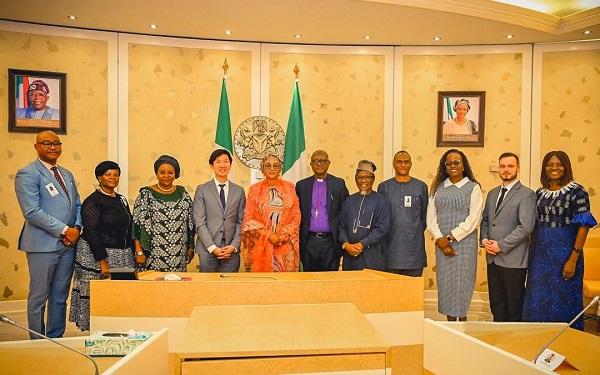
The conversation starts in the grocery line and continues through the coffee hour after church. The trigger? The First Lady's recent, direct appeal to a gathering of Christian leaders: preach the "true gospel."
For many in communities where the steeple is the tallest landmark, this wasn't abstract political commentary. It was a message about the very words they hear from the pulpit while navigating layoffs, medical bills, and the challenges of raising a family.
More Than a Building: The Church as Community Hub
In countless towns, the local church functions as the de facto community center. It hosts food pantries, marriage counseling workshops, and support groups. It's where hope is distributed alongside casseroles. When a figure of the First Lady's stature speaks directly to the spiritual leaders of these hubs, people lean in.
The central question rippling through sanctuaries is simple yet profound: What does "true" mean?
A Divide in the Pews
"She's right to remind us," said Deacon Miller, reflecting a view held by many. "A sermon that doesn't point people to Christ is just a motivational speech." This perspective emphasizes core doctrine, personal salvation, and biblical literacy.
A counterpoint comes from those like Ms. Jenkins, who runs the church's daycare. "The gospel feeds the hungry and clothes the naked, too," she worries. "I hope 'true' doesn't mean we stop doing that." Here, the "true gospel" is inseparable from social action and community care.
The Pastors' Dilemma
This puts local pastors in a delicate position. Announce a new sermon series on "core beliefs," and you'll see approving nods—and uneasy shifts in the pews. The call arrives when many congregations already feel culturally pulled in multiple directions, debating whether to host voting forums or stick strictly to scripture study.
The First Lady's words are perceived by many as a nudge toward one path, forcing a moment of clarification for spiritual leaders.
Beyond Doctrine: A Question of Trust
Ultimately, for many congregants, the debate boils down to authenticity. As one barbershop patron put it, the desire is for "a preacher who lives what he says." The "true gospel," in this light, is less about theological precision and more about tangible integrity—a faith that shows up, listens, and helps.
The First Lady's appeal has ensured that this question will be part of the Sunday morning conversation for weeks to come, revealing as much about the desires of a congregation as it does about the direction of its leadership.


