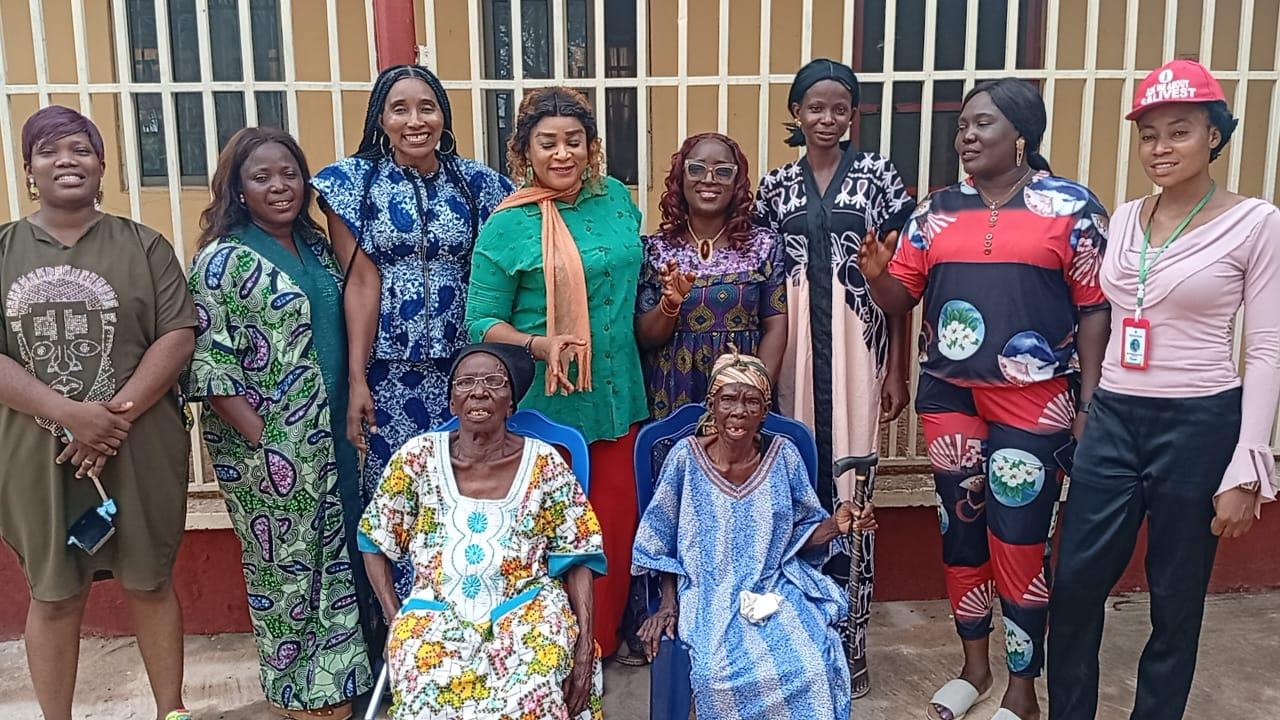
The scene in Oshodi, a densely populated Lagos neighborhood, was one of pressing need. Last Saturday, a long line of residents waited as the Lawrence Olanrewaju (LOI) Foundation distributed food packages, a private act of charity during Ramadan that laid bare the acute pressures on Nigerian households.
This grassroots effort coincides with the highest level of government alarm. The administration of President Bola Tinubu has officially declared a national emergency on food security, framing local distributions like this within a much larger, systemic crisis.
A Systemic Response Takes Shape in Abuja
While volunteers packed boxes in Lagos, a different kind of response was being activated in the capital. On Tuesday, the Minister of Water Resources and Sanitation, Engr. Joseph Utsev, officially launched the $500 million Sustainable Power and Irrigation in Nigeria (SPIN) Project. Backed by the World Bank, this massive federal initiative aims to tackle the root causes of food insecurity by accelerating agricultural production and even boosting power generation.
The Four Pillars of the SPIN Project
The SPIN Project is not a simple handout but a complex program designed to strengthen infrastructure. It is built on four key components:
- Institutional Strengthening and Capacity Building for better water resources management.
- Irrigation Modernization to increase farm yields and efficiency.
- Improvement in Dam Operations and Enhancement of Dam Safety to secure water supply and energy potential.
- Project Management to oversee implementation.
This focus on modernizing irrigation and securing dam safety directly links the management of Nigeria's water to the urgent goal of stabilizing the nation's food supply.
The Multi-Level Nature of the Crisis Response
Back in Lagos, the LOI Foundation's work is part of a broader pattern of local response. The Majority Leader of the Lagos State House of Assembly, Noheem Adams, has also distributed thousands of boxes of food and bags of rice in the Eti-Osa area. These parallel efforts reveal a food security emergency being addressed on multiple fronts: from immediate, community-based charity and political outreach to a high-stakes, long-term federal project aimed at fixing the foundational systems that have failed.
The coming months will test whether this dual-track approach—meeting urgent hunger today while building resilience for tomorrow—can stem the tide of Nigeria's food security crisis.