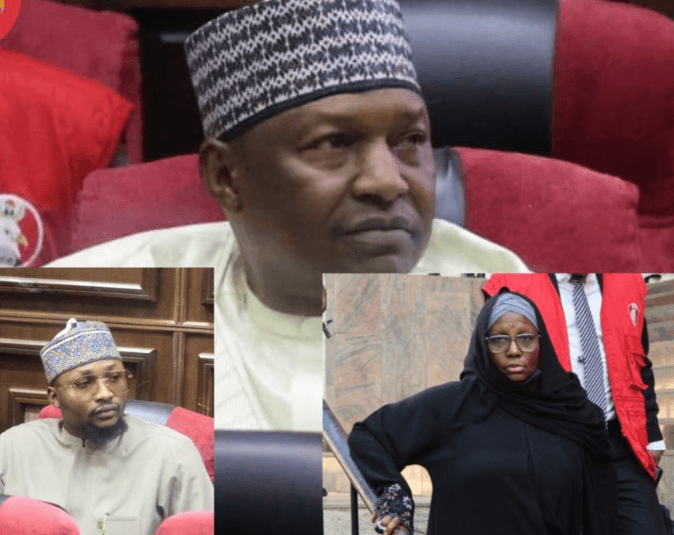
In a significant development within Nigeria's legal landscape, a Federal High Court has granted bail to former Attorney General of the Federation (AGF), Abubakar Malami, alongside his wife and their son. The court set the bail bond for each defendant at N200 million.
The Arraignment and Bail
The decision follows the formal arraignment of the trio by the Economic and Financial Crimes Commission (EFCC). While the specific charges have not been detailed in public statements from the proceedings, the case is understood to involve allegations of financial crimes. The granting of bail is a standard procedural step in Nigerian criminal trials, allowing defendants to remain free while the case is prepared for trial. The substantial sum reflects the court's assessment of the seriousness of the allegations and the need to ensure the defendants' return for future hearings.
Significance of the Case
This case represents a critical test for Nigeria's anti-corruption framework. Prosecuting a former Attorney General—the nation's former chief law officer—signals the EFCC's stated intent to pursue cases irrespective of a suspect's former position or political connections. The involvement of immediate family members adds a complex, personal dimension that is sure to attract intense public and media scrutiny. Public perception of the trial's fairness will be crucial for maintaining confidence in the judicial process.
Legal Context and Next Steps
Legal experts note that bail conditions in such high-profile cases often include the surrender of international travel documents and mandatory regular reporting to authorities. The lack of detailed public charges at this stage is not unusual; formal indictments are typically filed as the trial progresses. The next phase will involve pre-trial hearings and the formal presentation of the EFCC's evidence and specific charges. The outcome will be closely watched as a barometer for the independence and robustness of Nigeria's legal institutions in holding powerful figures accountable.