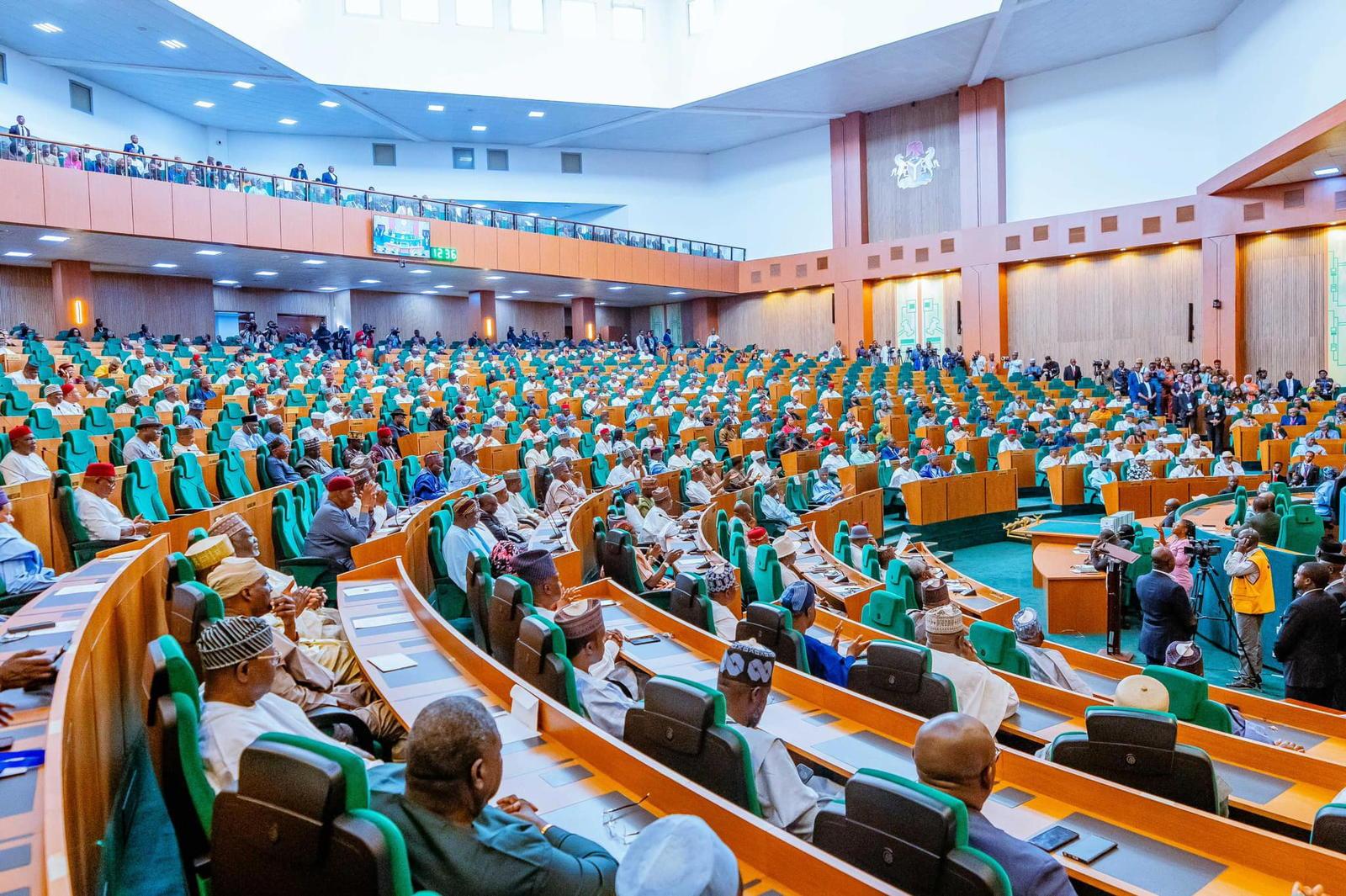
Five members of Nigeria's House of Representatives have formally changed their political party affiliations in a significant mid-term realignment. Four lawmakers defected from the opposition Peoples Democratic Party and Labour Party to join the ruling All Progressives Congress. A fifth representative left his former party to join the Accord Party, according to official declarations made on the floor of the House. These moves directly alter the composition of the legislature and reflect ongoing political negotiations.
This series of defections represents a tangible gain for the APC's parliamentary caucus. The ruling party has successfully attracted sitting legislators from its primary rivals, bolstering its numerical strength in the lower chamber. Such cross-carpeting is a recognized feature of Nigerian politics, often influenced by calculations about electoral prospects, access to resources, and internal party dynamics. The immediate effect is a shift in the official tally of seats held by each political party in the National Assembly.
Conversely, the opposition PDP and LP have lost members to the APC, weakening their legislative bloc. The loss of multiple federal lawmakers in a single event constitutes a setback for these parties' cohesion and influence. It raises questions about their internal stability and ability to retain elected officials ahead of future electoral cycles. Party leadership will now need to assess the reasons behind these departures and strategize to prevent further erosion of support.
The single defection to the Accord Party indicates a different political calculation. This move suggests a lawmaker seeking an alternative platform outside the dominant APC and PDP structures. The Accord Party, while smaller, provides a distinct political identity and may offer greater autonomy or alignment with specific regional or policy interests. This individual shift highlights the multi-party nature of Nigeria's political landscape, where smaller parties can serve as viable options for disaffected legislators.
These defections occurred through formal communication to the House leadership, in accordance with parliamentary rules and procedures. The Speaker of the House, Rt. Hon. Tajudeen Abbas, would have acknowledged the letters of defection during plenary. The constitution and the standing rules of the House provide the framework for such changes, requiring the defecting members to cite divisions or factions within their former parties as legal justification for the move.
The political implications extend beyond mere numbers. Each defecting lawmaker brings their constituency connection and political network to their new party. For the APC, absorbing these members can strengthen its reach in the lawmakers' respective districts and states. The realignment may also influence upcoming legislative votes, committee assignments, and the overall balance of power between the executive and legislature, as the ruling party consolidates its hold.
Historical context shows that defections often increase as elections approach, with politicians seeking the most advantageous platform. The current defections, occurring in 2026, fit a pattern of political mobility driven by pragmatic considerations. Analysts will scrutinize the specific states and regions these lawmakers represent to gauge the broader electoral impact. Such movements can signal shifting alliances at the grassroots level and foreshadow more significant realignments in the future.
The next concrete step is the official update of the House of Representatives' membership roster to reflect the new party affiliations. The Clerk of the National Assembly will amend the official records, and the respective party caucuses within the House will reorganize to incorporate their new members. The defecting lawmakers will immediately begin sitting with their new party blocs, and their voting patterns will be closely monitored to confirm the consolidation of this political shift.