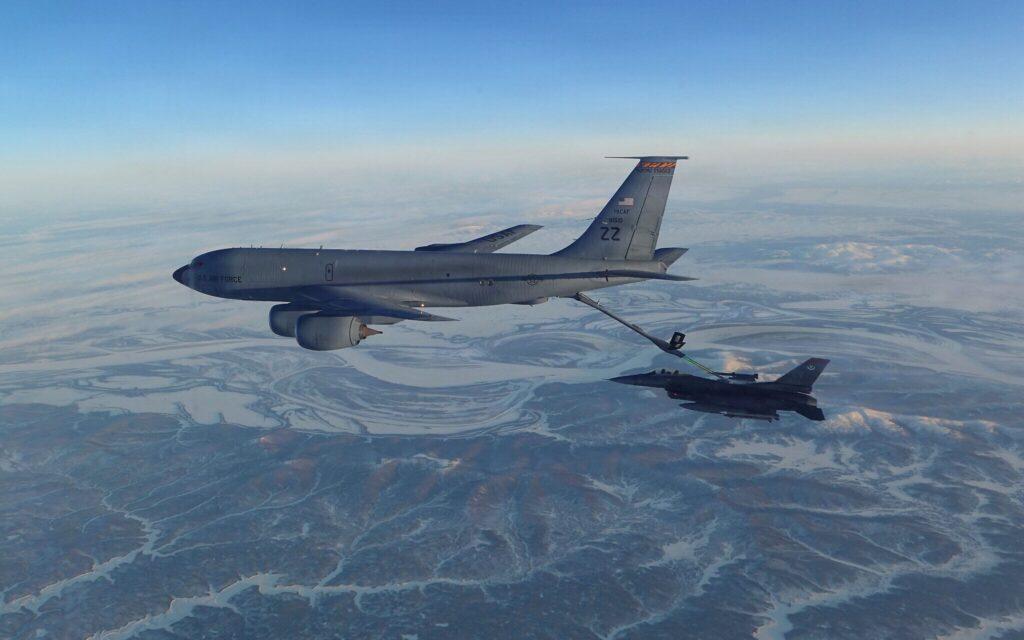
The news hit the base communities back home like a gut punch. Four of our own are gone. A U.S. military refueling plane went down in Iraq, and everyone on board was killed. The official word came down from the military, but for the families waiting, it's just a cold, hard fact that changes everything.
For folks around here, a refueling plane isn't just a piece of machinery. It's the lifeline. It's the aircraft that keeps the fighters in the air and the transports moving. The crew on those planes are the unsung heroes, the folks who make sure everyone else can do their job and get home. Losing one is like losing the backbone of an operation.
We don't know the names yet. We don't know where they were from. But in military towns across the country, people are holding their breath, checking their phones, waiting for that knock on the door that no one ever wants to hear. The silence from official channels is deafening, filled only with the dread of what comes next.
The 'why' is the biggest question hanging over everyone's head right now. Was it mechanical? Was it something else? The military says the cause is under investigation. That's standard, but it doesn't bring any comfort. It just means a long, painful wait for answers for the families and the brothers and sisters in arms left behind.
You hear it at the grocery store, in the coffee shops near the bases: 'Another one.' It's a weary phrase, heavy with the memory of other losses, other crashes. These aren't front-line combat deaths, but they're just as final. It reminds everyone that danger is a constant companion over there, even on what's supposed to be a routine mission.
This crash cuts deep because it feels preventable. A plane falling out of the sky. It makes you question everything—the equipment, the maintenance, the strain on our people and our gear after so many years. People here trust the military to bring their loved ones home, and when something like this happens, that trust gets a crack in it.
For the unit that lost these four airmen, the work doesn't stop. The mission continues. But today, there will be a quiet spot in the hangar, an empty seat in the mess hall. The real mourning happens in the tight-knit circles of those who served alongside them, who knew their jokes and their fears.
The investigation will now take over. Teams will pick through the wreckage, looking for clues. For the community of military families, the focus shifts to support—meals, childcare, a shoulder to cry on. The next official update, whenever it comes, will be scrutinized word by word, not for politics, but for a sliver of understanding in a sudden, senseless loss.