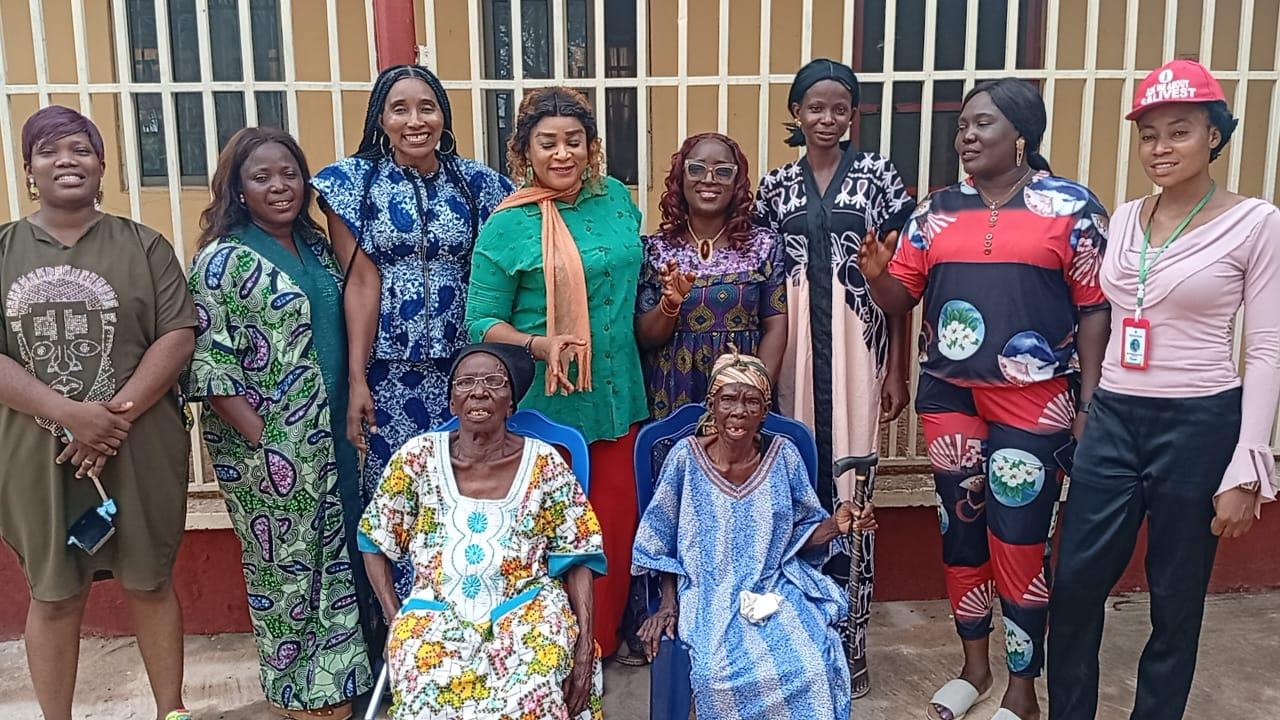
The auditorium empties after another International Women's Day luncheon, the tables littered with empty coffee cups and glossy programs. The speeches celebrating female resilience have concluded, the applause has faded, and attendees return to a world where the systems they navigate remain fundamentally unchanged. This annual ritual of praise, a new and pointed critique argues, has become a hollow substitute for the harder work of construction. The central message is stark: stop celebrating women, and start building for them.
The Shift from Symbolic to Structural
This call to action demands a fundamental reorientation. It moves the focus from symbolic recognition—awards, panel discussions, and themed social media campaigns—to the tangible creation of infrastructure. Building for women means investing in physical and social systems: affordable childcare, accessible healthcare, safe public transportation, and equitable workplace policies. These are the foundational supports that enable participation and advancement, far more than any single day of acknowledgment.
The Daily Reality Versus the Celebration
Consider the daily reality for millions. A mother navigates a city with unreliable bus service and no safe pedestrian paths to reach a job that offers no paid family leave. A young professional faces a career ladder built on informal networking opportunities that systematically exclude her. Celebration does not alter these material conditions. The argument posits that applause, while pleasant, does not build a bus route, fund a clinic, or reform a corporate policy. It is a distraction from the necessary labor of institutional change.
What Building Actually Looks Like
What would building actually look like? It requires redirecting resources and political will. Municipal budgets must prioritize lighting in parks and funding for domestic violence shelters. Corporate diversity initiatives need to shift from mentorship programs to auditing pay scales and redesigning promotion pathways. Legislative agendas should center on policies like paid parental leave and subsidized early education.
The Path Forward
The critique isn't against recognition—it's against mistaking recognition for progress. The measure of commitment isn't in the volume of applause, but in the allocation of resources. As we move forward, the question becomes: Will we settle for another celebratory luncheon, or will we invest in the infrastructure that actually enables women to thrive?