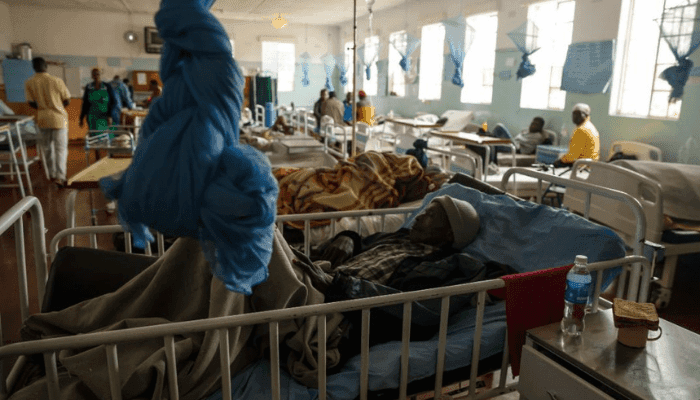
The scene is achingly familiar in hospitals across Nigeria: families clinging to hope in crowded wards, their trust in the healthcare system tempered by a well-known fear of preventable errors. For years, public outrage has flared after tragic incidents, only to recede without lasting change. Now, a significant and structured movement is emerging, channeling that collective frustration into a sustained demand for systemic reform.
The Converging Forces for Change
This push is not the result of a single event but a cumulative tide. It brings together families who have endured loss, frontline healthcare workers burdened by under-resourced facilities, and advocates who have meticulously documented systemic failures. Their shared testimony reveals a system where safety protocols are often inconsistent, reporting mechanisms for adverse events are weak, and accountability remains elusive. This coalition is creating an undeniable momentum, shifting the national conversation from sporadic anger to a focused agenda.
Safety as a Foundation, Not a Luxury
At the heart of the movement is a core principle: patient safety is a fundamental human right and the essential cornerstone of any functional health system. Proponents argue that strategic investment in safety—through comprehensive training, standardized operating procedures, and fostering a culture where mistakes can be reported without fear of blame—pays dividends. It reduces the immense human and economic cost of preventable complications, avoids longer hospital stays, and begins to rebuild the public trust that is critical for a healthy society.
Navigating the Path Forward
The vision is clear, but the path is fraught with deep-seated challenges. Many public health facilities grapple with chronic underfunding, critical staff shortages, and outdated equipment—conditions that make errors more likely. "We want to provide the best care," confides a healthcare worker in Abuja, "but we are often working against the system." Transforming the vision into reality will require not just will, but significant policy shifts and resource allocation to create environments where safety can truly thrive.