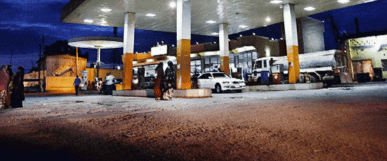
The quiet hum of a fuel pump at a Lagos filling station is a sound millions of Nigerians rely on, but an industry insider says that sound may soon come with a different price tag. A leading expert from the Petroleum Products Retail Outlets Owners Association of Nigeria (PETROAN) has publicly stated that the market should expect price adjustments at depots and filling stations later. This single, direct statement from a key industry figure signals a potential shift in the cost of a fundamental commodity for the nation's economy and its citizens.
While the expert did not specify the exact timing or magnitude of the expected changes, the announcement itself acts as a formal alert to the market. It prepares consumers, transporters, and businesses for the financial impact of fluctuating fuel costs. For a country where petroleum products power not just vehicles but also generators for homes and small industries, any price movement sends ripples through daily life and the broader cost of living.
The term 'adjustment' is a careful one, leaving open the possibility of either an increase or a decrease. However, given recent global oil market trends and local economic pressures, many observers interpret this as a warning of rising costs. The expert's phrasing places the onus on inevitable market dynamics, suggesting that retail outlets and distribution hubs have little choice but to respond to underlying cost pressures from their own suppliers or from international crude prices.
Depots serve as the critical middle layer in Nigeria's fuel supply chain, receiving bulk product before distributing it to retail stations. Any price change at this level directly affects what station owners must pay to replenish their underground tanks. Station owners, in turn, must then decide how much of that increased cost they can absorb and how much must be passed on to the driver at the pump. This chain reaction means the expert's warning encompasses the entire distribution network.
For the average Nigerian, this news translates to tighter household budgets. Increased transport costs immediately affect the price of food and other goods, as traders factor higher logistics expenses into their prices. The announcement, therefore, is not just about fuel but about the stability of prices across the market. It prompts families to consider cutting non-essential travel and businesses to recalculate their operational overheads.
The PETROAN expert's statement also serves a purpose for the association's members—the station owners themselves. By publicly forecasting adjustments, it prepares the public and manages expectations, potentially reducing the shock and public backlash when prices eventually do change. It frames the coming shift as a necessary economic correction rather than an arbitrary decision by retailers.
Nigeria has a long and complex history with fuel pricing, marked by subsidies, shortages, and public protests. Any talk of price changes touches a raw nerve in the national consciousness. The expert's careful language reflects an awareness of this sensitivity, aiming to deliver a factual market prediction without inciting panic. The focus remains on the logistical and economic inevitability of the adjustment process.
As the sun sets on filling stations across the country, attendants and owners alike now wait for the signal from the depots. The expert's forecast hangs in the air, a pending reality that will redefine the numbers on the pump displays and the calculations in every wallet. The next move rests with the market forces that dictate the flow and cost of every liter of fuel.