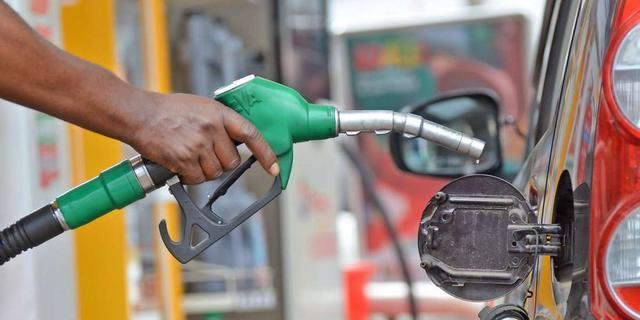
Long lines of vehicles have once again formed at filling stations across Nigeria, marking the return of a painful phenomenon many hoped was in the past. The immediate cause is a dramatic price hike by fuel marketers, who are now selling Premium Motor Spirit (PMS), commonly called petrol, for more than one thousand naira per litre in many locations.
The Return of Fuel Queues
The sight of fuel queues is a stark flashback for Nigerians who endured chronic shortages, locally known as 'fuel scarcity,' for much of the past decade. A recent period of relative stability at the pumps had offered respite, making the current queues a particularly unwelcome development that threatens to paralyze daily economic activity.
Why Prices Have Surged
Fuel marketers, the private businesses that distribute petroleum products, have raised prices to reflect what they say is the actual cost of importing petrol. This price exceeds ₦1,000 per litre—more than double the government's previously regulated price.
The surge is directly tied to Nigeria's ongoing dependence on imported fuel. Despite being a major oil producer, the country's refineries have been non-functional for years, forcing it to import nearly all consumed petrol. The cost is set by global markets and the exchange rate of the naira. When the naira weakens against the US dollar, the cost of importing fuel rises sharply, and marketers pass this cost directly to consumers.
Impact on Daily Life
For the average Nigerian, the impact is severe and immediate. Transport costs are skyrocketing overnight as bus, taxi, and ride-hailing fares adjust to the new fuel reality. The cost of food and other goods is also expected to rise significantly, as transportation is a key component of their final price.
Household budgets, already strained by record-high inflation, will be stretched even further, potentially pushing more people into economic hardship. Small businesses that rely on transportation or generators are particularly vulnerable.
Looking Ahead
The situation highlights the urgent need for sustainable solutions to Nigeria's fuel supply chain. Until domestic refining capacity is restored through functioning refineries, consumers remain exposed to the volatility of global crude prices and foreign exchange rates. The returning queues are a visible reminder that the underlying structural issues in Nigeria's downstream petroleum sector remain unresolved.