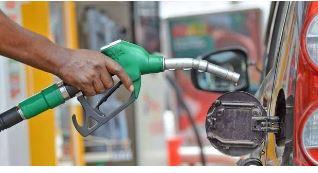
The line at the filling station on Oba Akran Avenue wasn't snaking down the block today. For the first time in months, drivers could pull in, fill up, and leave without a two-hour wait. This quiet scene, repeated across Lagos and beyond, has a number: 56.9 million litres. That's how much petrol Nigeria consumed each day in February, a figure from the NMDPRA that tells a story of change at the pump.
People here are feeling the difference in their daily routines. 'I spent less than thirty minutes today,' said a taxi driver named Chinedu, wiping his brow. 'Before, I would lose half my morning just looking for fuel. Now I can work.' For families and small business owners, time saved in fuel queues is money earned or time spent at home. It's a small but noticeable relief in the daily struggle to get by.
This drop in consumption isn't just about shorter queues. It hits right at the family budget. When fuel is scarce, the black market thrives, and prices shoot up to a thousand naira per litre or more. With more fuel available at official stations, that pressure eases. A mother buying kerosene or a welder powering his generator feels that difference in their pocket at the end of the week. It's one less crisis to manage in a month full of them.
So what's behind the change? The official data points to a significant shift, but on the street, people have their own theories. Some point to the high cost of fuel itself, saying people are simply driving less or finding other ways to get around. Others whisper about a crackdown on smuggling, suggesting less petrol is being siphoned across the borders. The real reason is likely a mix of many things, but the result is the same: the numbers are down.
This matters because petrol is the lifeblood of the Nigerian economy. It powers the buses that take people to work, the generators that keep lights on during blackouts, and the trucks that move food to market. When consumption falls this much, it sends a signal. It could mean the economy is slowing down, with fewer goods being moved and fewer people traveling. Or it could mean efficiency is improving. Either way, the pulse has changed.
For the average person, the big question is whether this will last. Will the queues stay short, or is this just a brief respite? The February data is a snapshot, and March could tell a different story. People are cautiously optimistic but have been disappointed before. They remember when a 'new policy' would fix things for a week, only for the old problems to return twice as hard.
The drop to 56.9 million litres a day is a piece of a much bigger puzzle. It connects to government subsidy payments, the health of the national refineries, and the global price of oil. But in the community, those big pictures fade next to the immediate reality: can I get fuel today without a fight? Right now, the answer seems to be yes, and that's what people are talking about at the bus stop and the market.
The NMDPRA will release March's consumption figures in the coming weeks. That next report will show if this change is a new trend or just a temporary dip. For now, the shorter queues are a welcome break, giving people a bit of time and money back in their daily lives. The community is watching, hoping the relief at the pump is here to stay.