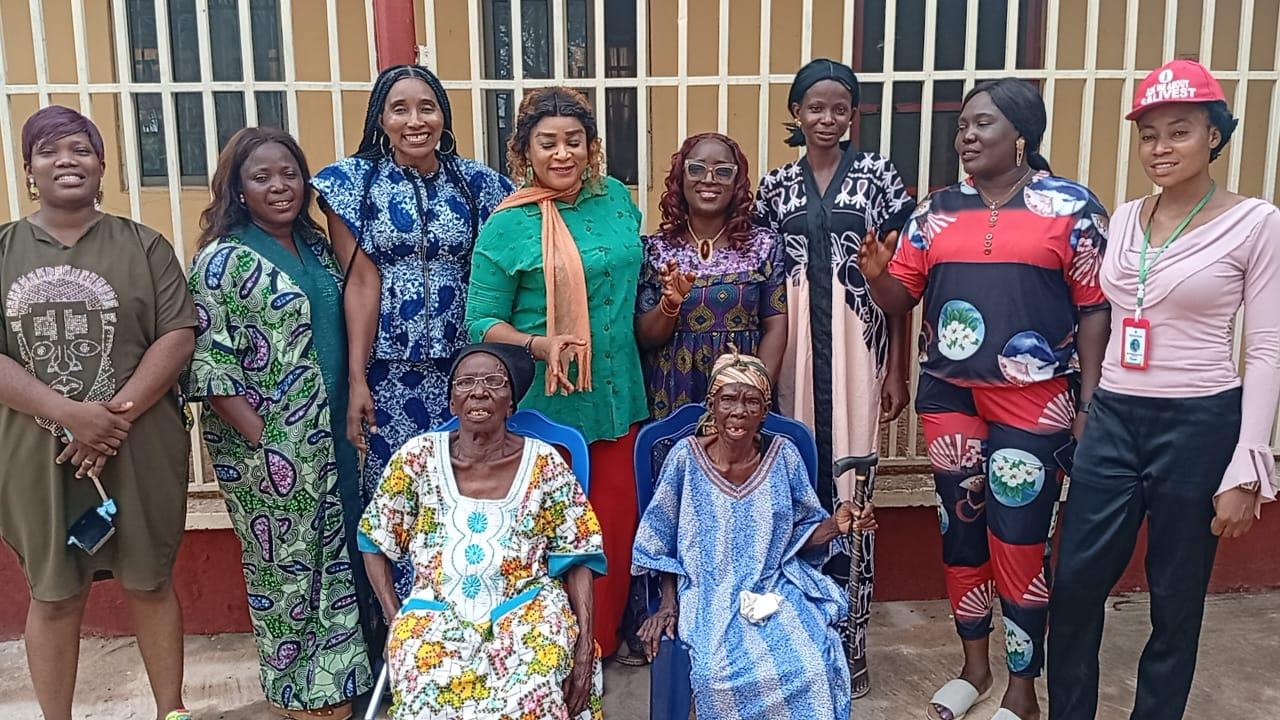
The Federal University of Technology Akure (FUTA) Teaching Hospital has issued a public call for stakeholders' support to drive its development forward. This appeal underscores the institution's recognition that achieving its growth objectives requires collaborative effort beyond government funding. The move signals a strategic shift towards engaging a broader network of partners to realize its vision for enhanced healthcare delivery.
Stakeholders being sought likely include alumni, corporate organizations, philanthropic foundations, and community leaders. Their support is envisioned to come in various forms, such as financial donations, equipment provision, infrastructure projects, and expertise sharing. This approach is common among Nigerian tertiary institutions seeking to supplement limited public resources and accelerate development timelines.
The development needs of a teaching hospital are multifaceted and capital-intensive. They typically encompass expanding clinical facilities, acquiring modern medical equipment, funding research, and improving staff training programs. For FUTA's hospital, such development is crucial not only for patient care but also for medical education, as it trains the next generation of healthcare professionals.
In the broader Nigerian context, public teaching hospitals often face significant funding gaps and infrastructural challenges. An appeal like this reflects the reality that sole reliance on federal allocations can slow progress. By proactively seeking stakeholder involvement, the institution is taking a pragmatic step to bridge resource shortfalls and potentially achieve its goals more rapidly.
The success of this call could have a direct impact on healthcare access and quality in Ondo State and the surrounding region. An upgraded teaching hospital would offer improved specialist care, reduce the need for patient referrals to distant centers, and bolster local medical research. This aligns with national goals to strengthen tertiary healthcare infrastructure across Nigeria.
Engaging stakeholders also fosters a sense of communal ownership and partnership. When individuals and organizations contribute to a hospital's development, they become invested in its success and sustainability. This model can create a virtuous cycle of support, accountability, and continuous improvement, benefiting the institution long-term.
It remains to be seen how stakeholders will respond to this appeal. The level of engagement will depend on the hospital's ability to clearly articulate its development plans, demonstrate transparency in fund management, and show the tangible impact of contributions. Effective communication of these aspects will be key to garnering sustained support.
Ultimately, this initiative by the FUTA Teaching Hospital represents a proactive strategy for institutional advancement. Its outcome will be a test case for how Nigerian academic medical centers can leverage external partnerships to overcome funding constraints and enhance their service delivery, education, and research mandates for the public good.