In the dim light of a Lagos living room, a family huddles around a sputtering generator, its fumes a constant reminder of a promise unkept. For millions of Nigerians, this nightly ritual of darkness and noise is the only alternative to total blackout. The hum of private generators has become the unofficial national anthem, a soundtrack to economic struggle. Now, a new government plan named GAMCO promises to change the tune by targeting the country's silent, idle power plants.
The Problem: Monuments to Wasted Potential
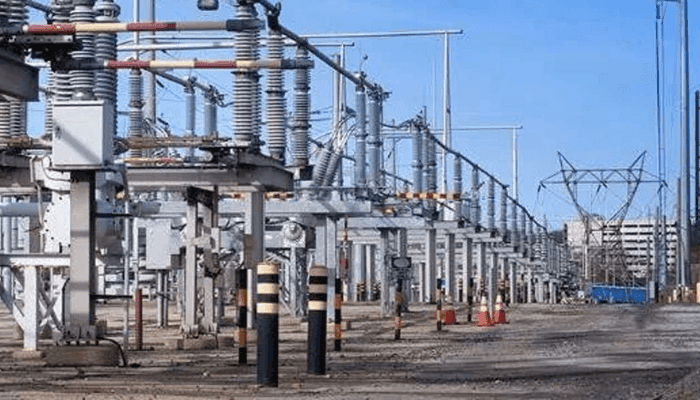
GAMCO, which stands for the Generation Asset Management and Optimization Company, represents a focused attempt to tackle one of the most visible failures in Nigeria's energy sector. Across the country, multi-million dollar power generation facilities sit dormant, their turbines still and control rooms dark. These plants, built with significant investment, have never fed a single watt into the national grid or have been shut down due to a tangled web of issues: contractual disputes, lack of consistent gas supply, or chronic maintenance failures. Their silent stacks are monuments to wasted potential in a nation where the grid frequently dips below 4,000 megawatts for a population exceeding 200 million.
The GAMCO Strategy: A Technical Rescue Mission
The core of the GAMCO strategy is a systematic, ground-up approach: identify, audit, and reactivate. This marks a significant shift in philosophy. It is not about grand announcements of new, future megaprojects. Instead, it's about the gritty, technical work of salvage and optimization. The plan envisions specialized teams—combining engineers, financiers, and project managers—descending on these idle sites. Their first task is forensic: diagnosing the precise, often site-specific reason for failure. Is it a broken gas pipeline? A legal impasse? Obsolete parts? The solution is then tailored, moving from diagnosis to execution.
The Potential Impact: Immediate Grid Relief
The promise of GAMCO lies in its potential for immediate impact. Unlike new construction, which can take a decade, reviving an existing but idle plant can add hundreds of megawatts of capacity to the grid in a matter of months. Each successfully reactivated turbine translates directly to more hours of stable power for homes, longer operating hours for small businesses, and reduced operational costs for major industries. It represents a more efficient use of national resources, turning sunk costs into productive assets.
The Road Ahead
While the logic of GAMCO is compelling, its success will hinge on execution. It must navigate complex legacy contracts, secure reliable fuel supply chains, and ensure sustainable financing models for the reactivation work. If successful, GAMCO could provide a crucial, rapid-response pillar in Nigeria's broader energy security strategy, proving that sometimes, the fastest way forward is to fix what you already have.