The Nigerian power sector suffered a significant setback on Thursday, March 5, 2026, as a severe gas supply shortage forced a 292-megawatt drop in national electricity generation. This incident, confirmed by the Nigerian Independent System Operator (NISO), exacerbates the routine blackouts plaguing millions of households and businesses.
The Crisis in Numbers
NISO reported that the disruption occurred between 6 a.m. and 8 a.m., with total generation at 5 a.m. already a low 3,940.53 megawatts. By 4 p.m., independent checks revealed generation from 15 power plants had fallen to just 3,118.9MW. Consequently, the amount of electricity allocated to Distribution Companies (DisCos) nationwide was a mere 2,749MW.
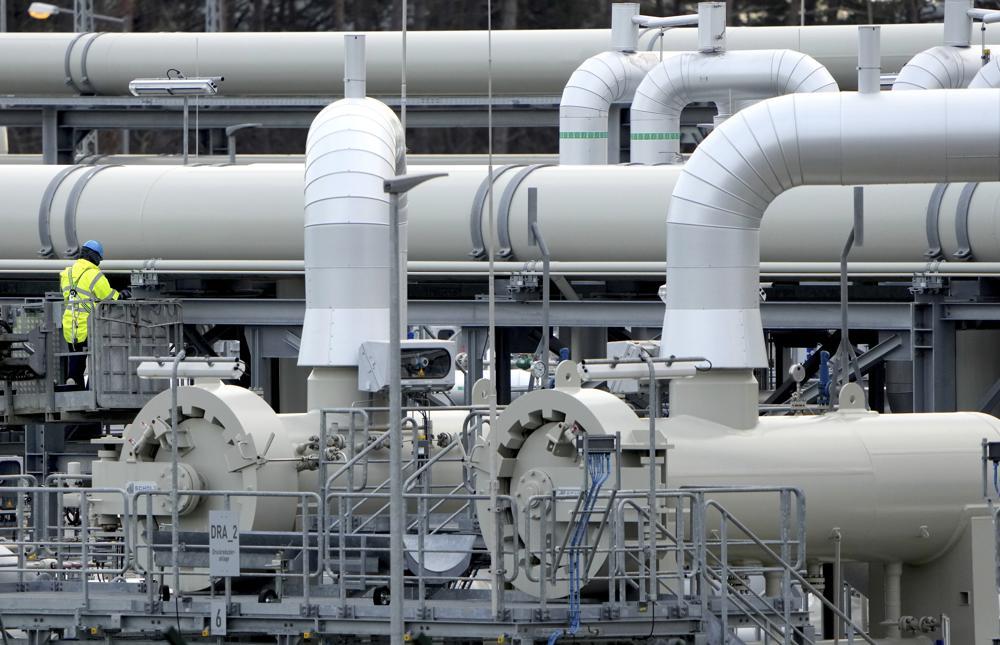
The root cause is a stark deficit in gas supply. Thermal power plants require approximately 1,588.61 million standard cubic feet of gas per day (MMSCF/d) for optimal operation. However, actual supply on Thursday was only about 652.92 MMSCF—a mere 40% of the requirement, leaving a crippling 60% shortfall that directly translates to lost power.
Parallel Protest in Calabar
While the national grid grappled with this infrastructure crisis, a separate economic pressure point erupted in Calabar, Cross River State. Commercial tricycle operators, popularly known as keke drivers, staged a major demonstration on Thursday. Their grievances centered on what they termed exorbitant daily ticket rates and the activities of unauthorized taskforces within the metropolis.
The protest caused significant disruption as operators blocked the busy Orok Orok Roundabout, bringing vehicular movement in the area to a standstill. This action highlights the growing frustration among small-scale transport operators over rising operational costs.
Twin Pressures on the Economy
These simultaneous events underscore the multifaceted challenges facing Nigeria's economy. The gas shortage represents a persistent failure in energy infrastructure and supply chain management, directly impacting productivity and quality of life. The Calabar protest reflects the boiling point of informal sector operators burdened by high levies and alleged harassment.
Together, they paint a picture of an economy under strain from both systemic deficiencies and localised fiscal pressures, affecting citizens from the national grid down to the local roundabout.