Thursday marked significant developments on two continents, with Nepal conducting crucial parliamentary elections and Nigeria announcing the resolution of a longstanding oil sector dispute.
Nepal's Democratic Reckoning
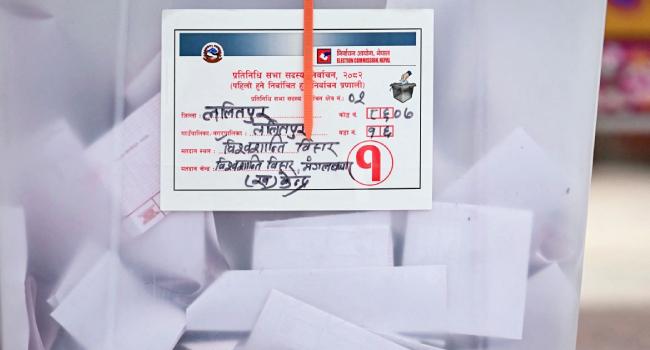
Nepal held high-stakes parliamentary elections on Thursday, a direct consequence of widespread anti-corruption protests that destabilized the government six months prior. The vote represents a confrontation between the country's established political elite and a vigorous youth movement demanding systemic change. Chief Election Commissioner Ram Prasad Bhandari reported an approximate 60% voter turnout. The counting process is underway, with initial results anticipated by Friday, though complete official tallies may require several days. This election will determine the future trajectory of the Himalayan nation.
Nigerian Political Realities
Simultaneously, Nigerian political dynamics were on display in Lagos. Sly Ezeokenwa, National President of the All Progressives Grand Alliance (APGA) and a legal practitioner, emphasized the litigious nature of the country's politics. "Even as national chairman, I still go to court because election petitions are part of my professional practice," he stated, underscoring how legal challenges remain integral to the political process.
A Major Economic Resolution
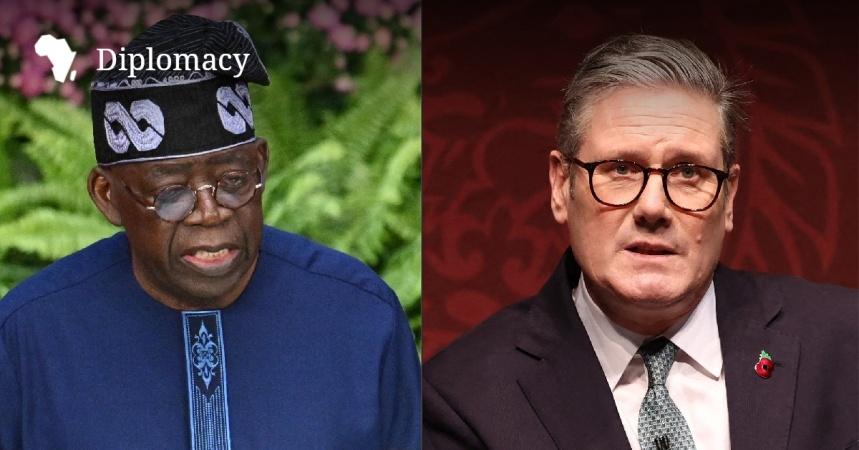
On the economic front, President Bola Tinubu announced a historic settlement on Wednesday, concluding a dispute lasting over 15 years involving the Federal Government of Nigeria, Italian energy conglomerate ENI, and its subsidiary Nigerian Agip Exploration Limited (NAEL). The agreement concerns Oil Prospecting Licence (OPL) 245, a contentious asset long mired in legal and diplomatic complications. Signed in Abuja, this resolution clears a significant obstacle to developing one of Nigeria's substantial oil resources, potentially impacting future investment and revenue.
Analysis: Contrasting Paths
These parallel stories reveal different national priorities: Nepal is engaged in a foundational political renewal driven by civic unrest, while Nigeria is navigating complex governance and working to finalize major economic agreements. Both situations highlight how nations manage internal pressures and external engagements in an interconnected world.