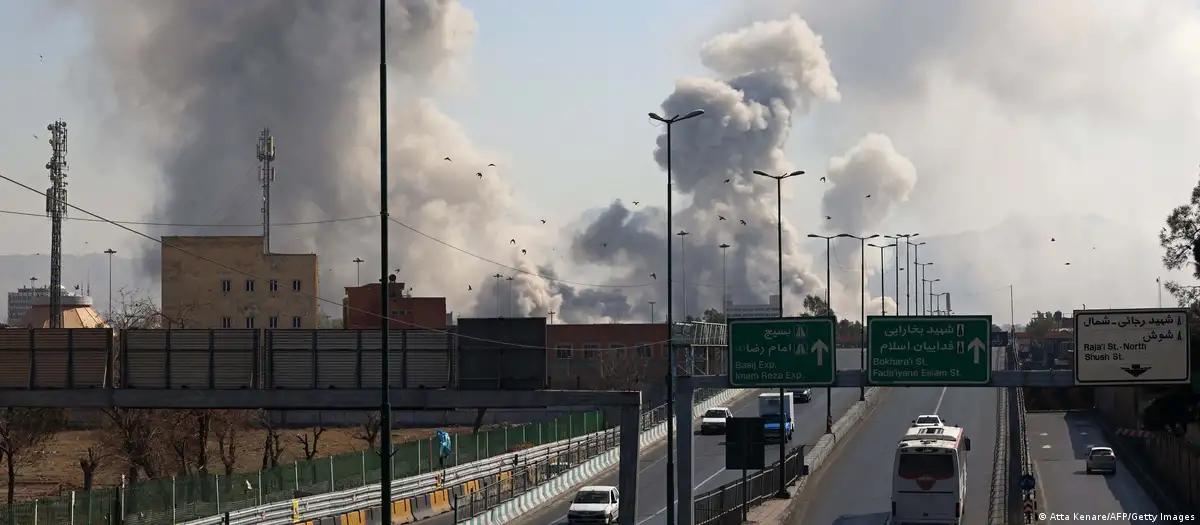
The Russian government has confirmed the evacuation of families of diplomatic staff from its embassy in Tehran, Iran, in a move underscoring escalating regional tensions. According to an embassy statement, the operation on March 3 and 4 involved more than 100 women and children, though core diplomatic personnel remain in place. Deputy Foreign Minister Andrei Rudenko, via state-run TASS news agency, confirmed the evacuation but emphasized that embassy functions continue.
Meanwhile, domestically, Nigeria is grappling with significant legal and political developments. In Kano State, the House of Assembly has initiated impeachment proceedings against Deputy Governor Aminu Abdussalam Gwarzo. The notice, presented by Majority Leader Lawan Hussaini Dala, cites allegations of gross misconduct, abuse of office, and breach of public trust related to Gwarzo's prior role as commissioner overseeing local governments. Specifically, he is accused of participating in the diversion of funds allocated for the state's 44 local government councils.
In parallel, the National Drug Law Enforcement Agency (NDLEA) has clarified the status of its case against suspended Deputy Commissioner of Police Abba Kyari. NDLEA Director of Media and Advocacy, Femi Babafemi, explained that the substantive drug case is ongoing and scheduled to resume before Justice Emeka Nwite at the Federal High Court in Abuja on Monday, March 16, 2026. He noted that a recent ruling by Justice Omotosho pertains to a separate money laundering and asset declaration case, distinct from the primary drug prosecution.
These stories, though geographically disparate, reflect a week of heightened accountability and geopolitical caution. From the halls of Kano's assembly to courtrooms in Abuja and diplomatic posts in Tehran, the themes of governance, security, and legal process remain urgently relevant.