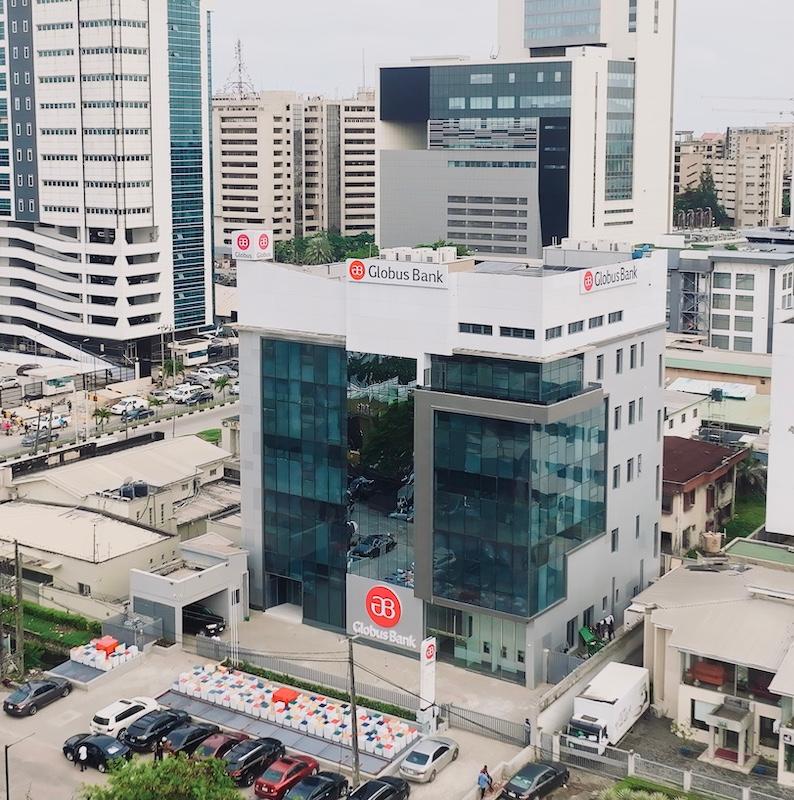
In a significant move for Nigeria's financial sector, Globus Bank has successfully raised its paid-up capital above the N200 billion threshold mandated by the Central Bank of Nigeria (CBN). The achievement, confirmed on March 10, 2026, positions the bank among the vanguard of institutions complying with the regulator's sweeping recapitalisation directive aimed at fortifying the banking industry.
The Recapitalisation Mandate
The policy was set in motion by CBN Governor Olayemi Cardoso in March 2024, granting banks a two-year window to significantly bolster their balance sheets. The tiered requirements stipulated that commercial banks with international authorisation must raise their capital base to N500 billion, national banks to N200 billion, and regional banks to N50 billion. Operating with national authorisation, Globus Bank's successful raise directly addresses its specific N200 billion target.
Why Recapitalisation Matters
Recapitalisation is a critical regulatory tool designed to enhance the banking sector's ability to absorb potential losses and sustain lending activities during economic volatility. The CBN's directive emerged following a period marked by currency devaluation and high inflation, which eroded the real value of banks' existing capital buffers. By enforcing higher capital levels, the regulator aims to cultivate a more robust financial system capable of underwriting larger-scale domestic and international projects, thereby supporting broader economic growth.
Implications for Globus Bank and the Market
For Globus Bank, surpassing the N200 billion mark necessitated a substantial capital raise from its shareholders and investors. This process likely involved a combination of fresh equity injections, retained earnings, and other approved capital instruments. Successfully attracting this level of investment is a strong vote of confidence in the bank's management team and its growth trajectory within an increasingly stringent regulatory landscape.
The bank's early compliance intensifies the spotlight on peers still working towards the deadline. The CBN has maintained a firm stance, indicating that failure to meet the new capital requirements will result in the revocation of banking licenses. As the 2026 deadline approaches, the race to recapitalise will likely define the competitive landscape of Nigeria's banking sector for years to come.