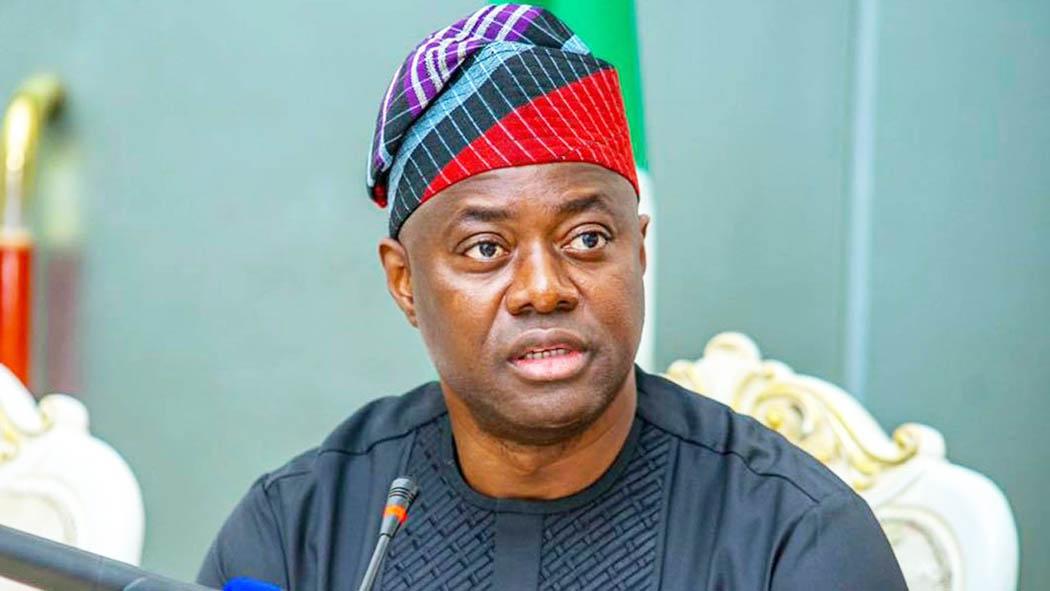
Oyo State Governor Seyi Makinde has placed a critical issue back on the national agenda: the urgent need for Nigeria's political leadership to forge a consensus on federalism. He contends that without agreement on this foundational governance structure, the country's pursuit of tangible development results will remain elusive.
The Persistent Federalism Debate
Federalism, the division of power between a central authority and constituent states, has been a point of tension in Nigeria since independence. The current model is widely viewed as overly centralized, a legacy of prolonged military rule that concentrated power and resources in Abuja. This has created a system where states are heavily dependent on monthly federal allocations, limiting their fiscal autonomy and capacity for independent initiative.
The Stakes of the Status Quo
Governor Makinde's call is significant because it comes from a sitting executive directly experiencing the system's constraints. The lack of consensus, he implies, isn't merely academic. It manifests in slow progress on infrastructure, education, and security. When a state cannot swiftly address local issues—like repairing a critical road or upgrading schools—because it must navigate central bureaucracy and funding delays, national development inevitably stalls.
Paths Forward and Inherent Challenges
Achieving consensus is a formidable task. The spectrum of opinion is broad: some advocate for a return to a more decentralized model, granting states greater control over resources and policy. Others caution that significant devolution could strain national cohesion. The path forward likely involves nuanced constitutional discussions around revenue allocation, state policing, and legislative powers.
The Bottom Line for Nigerians
Ultimately, Makinde's argument connects high-level politics to grassroots reality. A reimagined, functional federalism promises more responsive governance, where states can tailor solutions to local needs. As the constitutional review process continues, this debate will test whether Nigeria's leaders can align on a structure that unlocks the nation's potential.