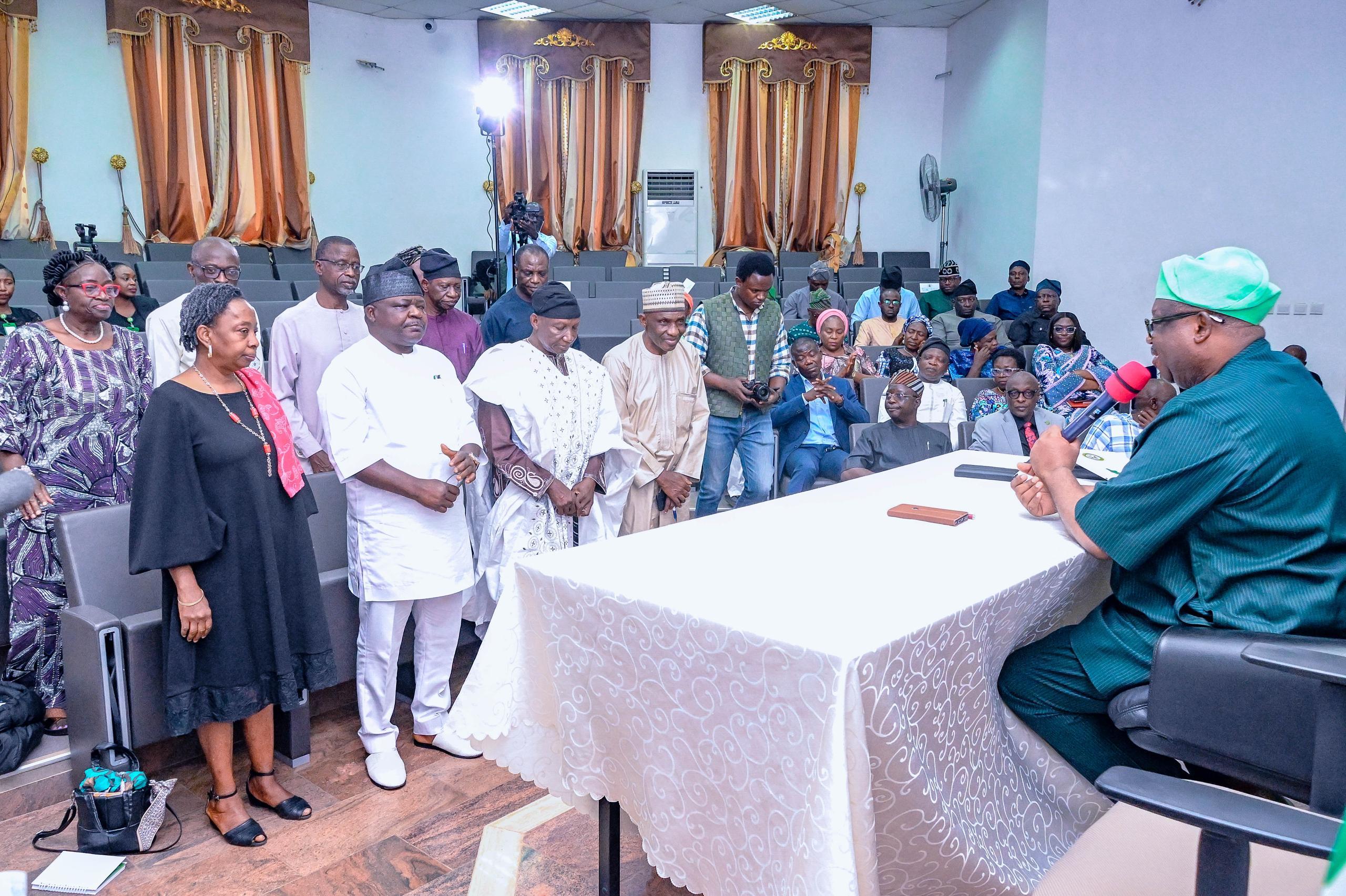
Governor Caleb Mutfwang of Plateau State has formally inaugurated an advisory committee tasked with studying the establishment of a state police force. The committee's creation represents a concrete administrative step toward a significant shift in Nigeria's security architecture. It follows years of escalating violence and public pressure for more localized law enforcement solutions across the country.
A Response to Localized Threats
This initiative places Plateau State at the forefront of a contentious national debate over policing powers. Nigeria's current police system is federally controlled, a structure critics argue is too centralized and slow to respond to local security threats. The governor's action directly responds to persistent attacks by armed groups in Plateau's communities, which have resulted in substantial loss of life and property.
The Committee's Critical Mandate
The committee's mandate is to provide a framework and recommendations for how a state-level police service would operate within Plateau. This involves examining critical issues like funding, recruitment, jurisdiction, and coordination with existing federal police units. Its work will need to navigate complex legal and constitutional questions surrounding the division of security responsibilities.
The National Debate: Pros and Cons
Establishing state police is a core recommendation from various national dialogues and a demand from many state governors. Proponents argue that officers recruited from and familiar with local communities would be more effective at intelligence gathering and rapid response. They contend it is a necessary evolution to address Nigeria's diverse and localized security challenges.
Opponents, however, express concerns about potential abuse of power by state political actors and the risk of exacerbating regional or ethnic tensions. There are also practical worries about the financial burden on state governments and the creation of multiple, potentially conflicting, chains of command. The committee must address these valid apprehensions in its final report.
The outcome of this committee's work in Plateau could serve as a crucial test case and model for other states considering a similar path, making it a development with implications far beyond the state's borders.