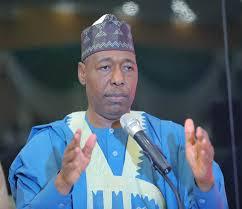
Borno State Governor, Professor Babagana Umara Zulum, has issued a heartfelt appeal from Saudi Arabia, calling on Muslims to dedicate the last ten days of Ramadan to intensified prayer. Currently performing the Lesser Hajj, or Umrah, the governor's message carries the weight of both his office and his presence at Islam's holiest sites during the sacred month.
A Directive from the Holy Land
Governor Zulum's call is rooted in Islamic tradition, specifically targeting the final third of Ramadan. This period is believed to contain Laylat al-Qadr (the Night of Power), a time when devout worship and supplication are considered especially significant. By urging collective prayer, Zulum is steering public discourse toward spiritual fortitude as a foundational element of community response.
Context: A State in Recovery
The appeal holds particular resonance for the residents of Borno State. For over a decade, the region was the epicenter of the Boko Haram insurgency, suffering widespread displacement, devastation, and trauma. While significant security progress has been made, sporadic attacks and a profound humanitarian crisis persist. In this context, the governor's message acknowledges that rebuilding requires more than physical infrastructure and security operations—it necessitates the healing of the communal spirit.
A Balanced Governance Strategy
Zulum's tenure has been characterized by a dual-track approach: substantial investment in security and socio-economic projects, paired with consistent appeals for peace, unity, and faith. This call for prayer is not an isolated gesture but part of a broader strategy to foster social cohesion and inner resilience. It reflects an understanding that sustainable recovery is built on both material and moral foundations.
The Significance of Timing and Location
The governor's decision to deliver this message while performing Umrah during Ramadan is deeply symbolic. Umrah in Ramadan is considered highly virtuous, and his physical proximity to the Kaaba in Mecca lends profound authenticity and gravity to his appeal. It transforms a gubernatorial statement into a spiritual entreaty from a pilgrim to his people.
Looking Ahead
As Ramadan draws to a close with Eid al-Fitr, Zulum's call reinforces the role of faith in sustaining communities through prolonged adversity. It highlights how leaders in post-conflict settings often navigate the intersection of governance, security, and public morale, using cultural and religious touchstones to strengthen the social fabric essential for long-term stability.