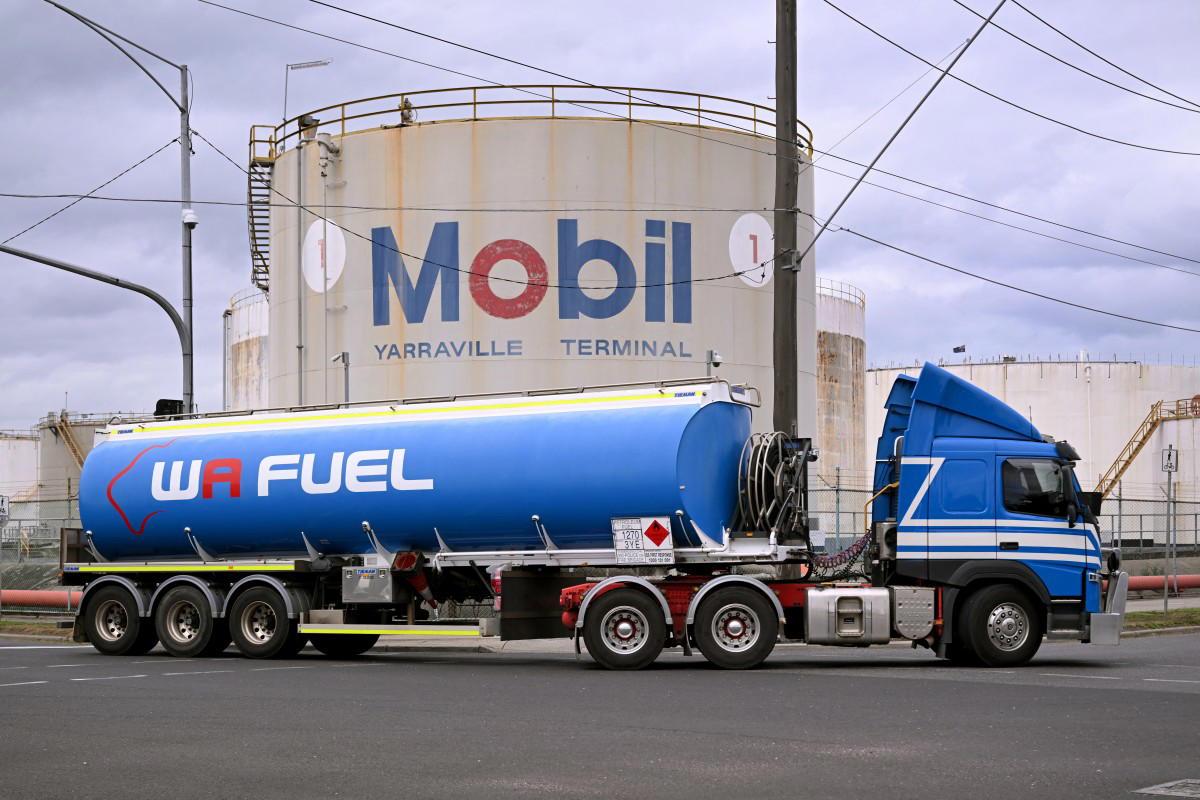
A sense of uneasy familiarity settled over gas stations and markets Tuesday morning as reports of attacks on fuel facilities in the Gulf region sent global oil prices sharply higher.
The Market Reaction
While official details remain scarce, initial reports pointing to Iran targeting fuel infrastructure were enough to trigger a swift reaction from energy traders. The principle is simple: perceived threats to supply create instant volatility. The price of Brent crude, the international benchmark, jumped significantly on the news, continuing a pattern of sensitivity in a tense geopolitical landscape.
From Barrel to Budget
For the average consumer, a jump in the price per barrel is an abstract concept—until it arrives at the pump and the checkout counter. "The cost to bring the bananas from the port doubled last time this happened," said Ahmed, a local fruit stand owner who asked to be identified only by his first name. "I either raise my prices and lose customers, or I eat the cost and my family feels it."
His dilemma illustrates the downstream effect. The entire logistics chain—shipping, trucking, delivery—is fuel-dependent. When that base cost rises, the increase is distributed across goods and services, contributing to broader inflationary pressures.
The Anxiety of Uncertainty
With limited confirmed information about the targets or extent of damage, the market and public are left operating on worst-case assumptions. This uncertainty itself can exacerbate price movements as traders and businesses hedge against potential shortages. For families already adjusting to higher costs for transportation and food, the news breeds a defensive financial posture, prompting cuts to discretionary spending.
Looking Ahead
Analysts caution that the duration and severity of the price impact hinge on forthcoming damage assessments from the Gulf region. A swift resolution and minimal disruption could see prices stabilize. However, prolonged uncertainty or confirmation of significant damage to key export infrastructure could cement higher fuel costs for weeks, presenting yet another challenge for household budgets and small business margins.
The situation remains fluid, but the immediate connection between global events and local economics has never been clearer for consumers watching the numbers climb.