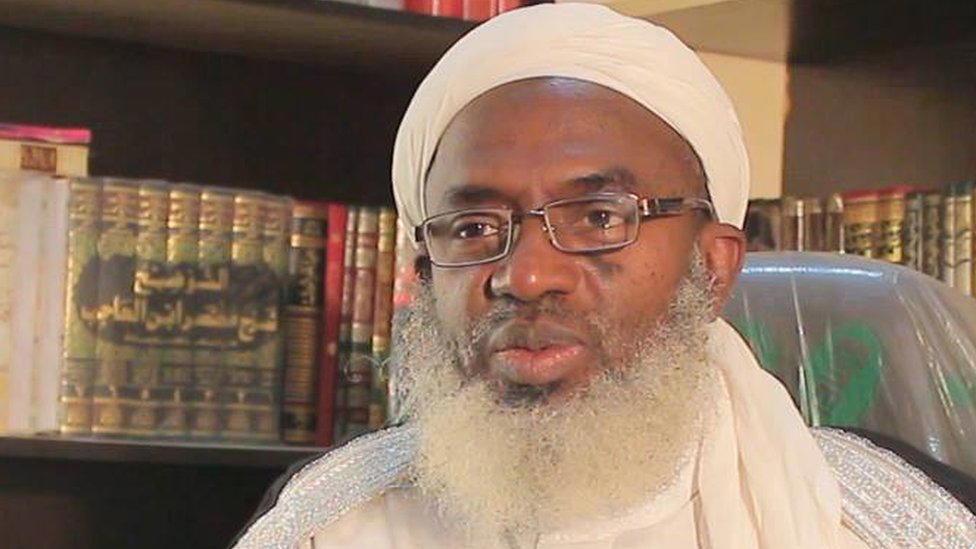
Sheikh Ahmad Gumi just dropped a bombshell. He says the federal government knows the name and location of every single terrorist operating in Nigeria. That's a staggering claim, isn't it? If it's true, it completely reframes the entire security crisis we've been living through for years. It suggests the problem isn't a lack of intelligence, but something else entirely.
Gumi's statement implies the government has a detailed, comprehensive list. We're not talking about vague suspicions or general areas. He's alleging they have names and specific hideouts. That's the kind of precise data you'd need for targeted operations. So why aren't we seeing more decisive action based on this supposed knowledge? It's a question that'll make anyone's head spin.
Think about what this means for the official narrative. For years, we've heard about the challenges of gathering intelligence in difficult terrain. We've been told about the enemy's elusiveness. Gumi's claim cuts directly against that. He's saying the intelligence is already there, sitting on a desk somewhere. That's a fundamentally different story about why this conflict persists.
Now, Gumi's a controversial figure himself. He's known for his dialogues with bandits and his unorthodox views on the conflict. Some see him as a mediator; others are deeply skeptical. His access and motivations are always part of the conversation. But that doesn't automatically make his claim false. It just means we've got to weigh it carefully.
The government hasn't officially responded to this specific allegation yet. They're in a tough spot. If they confirm it, they'd have to explain why they haven't acted on perfect intelligence. If they deny it, they're saying their intelligence apparatus isn't as capable as Gumi suggests. It's a classic 'damned if you do, damned if you don't' scenario for the security agencies.
Let's break down the practical implications. If the government truly has this list, then every kidnapping, every attack on a village, every bombed train becomes a question of choice, not capability. It shifts the blame from operational failure to a potential failure of will or strategy. That's a seismic shift in how citizens might view their protectors.
You've got to wonder about the sources. How would Gumi know this? Does he have contacts within the intelligence community? Is this based on what he's heard from the other side during his negotiations? The lack of specific, verifiable claims in his statement means we're left with a powerful allegation but no way to independently check it. That's frustrating, but it's the reality of the situation.
What happens next? Pressure will mount for an official response. Security analysts and opposition figures will demand clarity. The ball's now in the court of the National Security Adviser and the heads of the DSS and the military. They'll need to address this head-on, because letting such a claim hang in the air unchallenged erodes public trust even further. Watch for statements from the Defence Headquarters in the coming days—that's where we might get the first official pushback or, incredibly, some form of confirmation.


