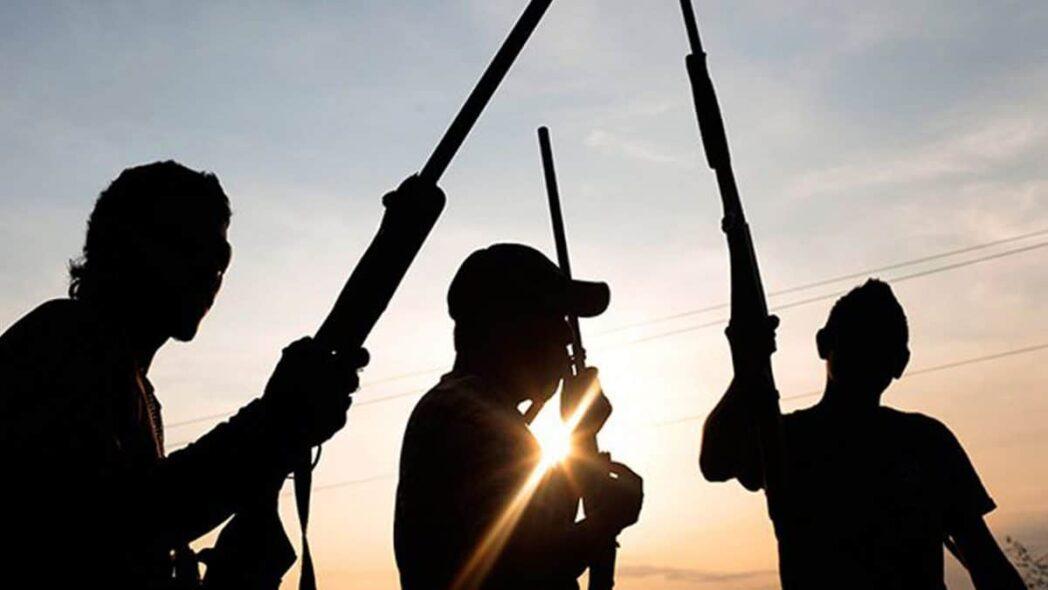
A police border checkpoint in Kebbi State was attacked by unidentified gunmen on Thursday, resulting in the tragic deaths of two police officers. This violent incident represents a direct and brazen assault on state security forces tasked with maintaining order and monitoring cross-border activity in Nigeria's volatile northwest.
The attack occurred at a critical security infrastructure point, designed to regulate movement and prevent illicit activities such as smuggling and the movement of armed groups. The location's significance cannot be overstated; border checkpoints serve as frontline defenses in Nigeria's fight against transnational crime and insurgency. However, their often-isolated nature makes them vulnerable targets for groups seeking to challenge state authority and create corridors for illegal operations.
Kebbi State, situated in Nigeria's northwest, shares a porous border with the Republic of Niger. This geographical position places it within the expansive and troubled zone of the Sahel, which has experienced escalating violence from banditry, kidnapping, and factions linked to broader regional conflicts. Attacks on security checkpoints disrupt legitimate trade and travel while simultaneously creating openings for criminal elements to cross undetected.
The killing of the two officers has immediate and profound repercussions. Beyond the devastating loss for their families and colleagues, such attacks deplete the human resources dedicated to public safety and critically undermine community confidence in the state's ability to provide security. Each assault chips away at morale and operational capacity, creating a cycle of insecurity.
While the specific identity or motive of the attackers remains unclear, this pattern of violence in the region has been attributed to a complex mix of armed elements, including bandits, criminal syndicates, and jihadist factions. The Kebbi attack underscores the multifaceted and entrenched nature of the security threat in northwestern Nigeria, where security forces are stretched thin across vast territories.
This incident calls for a urgent re-evaluation of the security strategy for Nigeria's border regions. It highlights the need for better protection, intelligence, and resources for officers manning these remote outposts. Securing these frontiers is not just about national sovereignty but about safeguarding the lives of those sworn to protect it and the communities they serve.