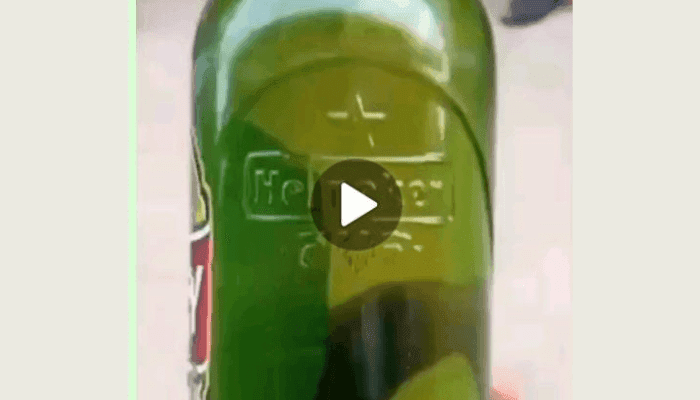
A Heineken bottle adorned with what looks like a championship belt has become the internet's latest obsession. But this isn't a celebratory limited edition—according to the online consensus, it's a counterfeit. The image, featuring the familiar green bottle sporting a large, ornate 'trophy' label, has spread rapidly, turning into a case study in how consumer fears about authenticity can go viral.
The Evidence of Fakery
The central claim is straightforward: the bottle is not genuine. The 'trophy' label, a gaudy addition that resembles a sports award more than a brewer's mark, is the primary red flag. Online sleuths have been quick to point out that this design doesn't match Heineken's branding history. It lacks the subtlety of a real special edition, instead screaming its inauthenticity.
The Brand's Silence Speaks Volumes
Heineken has not officially commented on the specific image—a common corporate strategy when dealing with viral, unverified content. However, this lack of a swift denial or clarification has only amplified speculation. In the absence of an official statement, the court of public opinion has declared the bottle 'guilty' of being suspiciously tacky.
A Relatable Entry Point to a Global Problem
This incident taps into a profound and widespread consumer anxiety: the rise of sophisticated counterfeit goods. From luxury fashion and electronics to pharmaceuticals and automotive parts, fake products represent a multi-billion dollar underground industry. While a counterfeit beer might seem less dangerous than fake medication, it serves as a highly accessible example of a pervasive issue. It prompts a chilling question: if counterfeiters can target a ubiquitous brand like Heineken, what's safe?
How to Spot a Fake
Typically, identifying a counterfeit requires a keen eye for detail: misspellings, poor print quality, incorrect colors, or subpar materials. The viral 'trophy' bottle, in contrast, is brazen and theatrical in its fakery. This very obviousness has led some to wonder if the image itself is a meta-commentary or even a piece of digital art. Yet, it effectively trains the public eye to be skeptical.
The Future of Authenticity
The viral journey of this fake bottle underscores a new challenge for brands and consumers alike. In an era of AI-generated images and advanced printing technology, creating convincing—and shareable—fakes is easier than ever. Brands will need to invest more in authentication technologies and public education, while consumers must become more vigilant. This strange Heineken bottle isn't just a quirky internet moment; it's a foam-flecked warning about the realities of our modern marketplace.