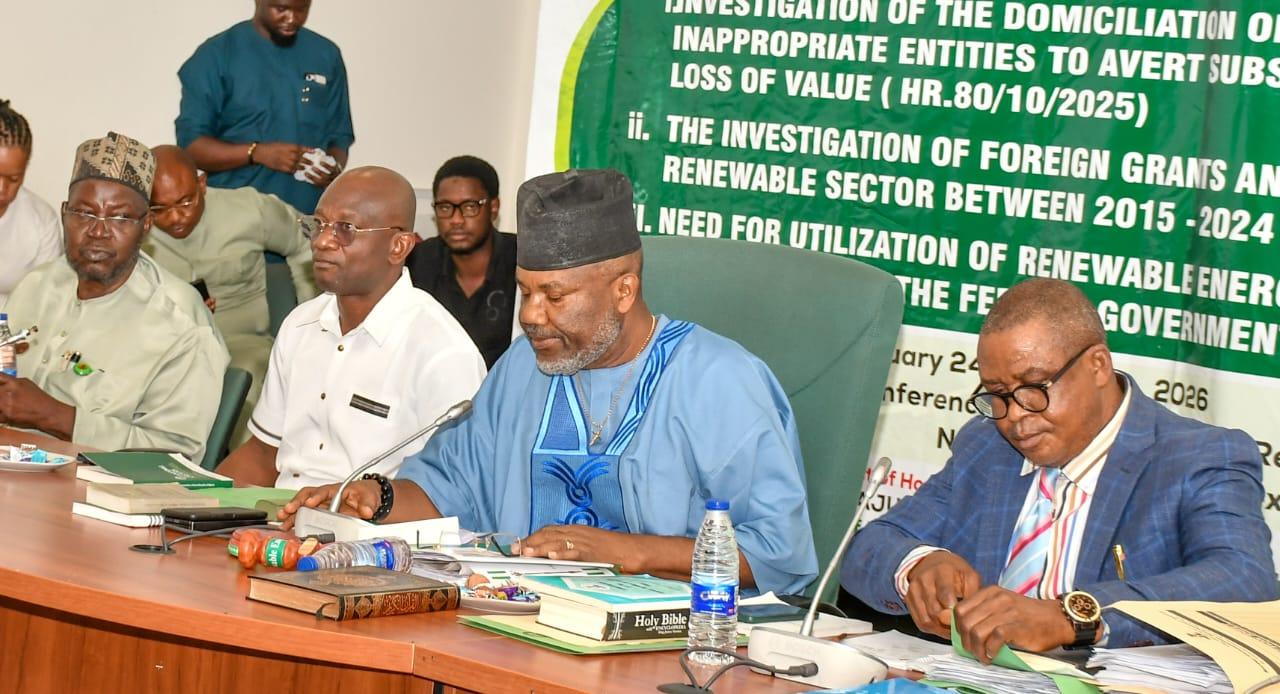
The House of Representatives Committee on Renewable Energy has taken a decisive step in its ongoing investigation, issuing a final summons with an explicit threat of arrest against two key energy sector officials. The committee has formally summoned Abba Abubakar Aliyu, Managing Director of the Rural Electrification Agency (REA), and Olufemi Akinyelure, Head of the Nigeria Electrification Programme (NEP), following their repeated failure to appear before the investigative panel.
The probe, which has gained significant attention, focuses on examining grants, loans, and investments channeled into Nigeria's renewable energy sector over an extensive nine-year period from 2015 to 2024. This timeframe suggests the committee is scrutinizing a substantial volume of financial transactions and government initiatives aimed at improving power access across the nation. The lawmakers' insistence on the officials' attendance underscores their commitment to ensuring accountability and transparency in the management of public funds dedicated to energy development.
During Tuesday's session, the committee chairman delivered a stern ultimatum, warning that if Aliyu and Akinyelure fail to appear on Thursday, March 5, 2026, at 2 p.m., the committee would invoke its constitutional powers to enforce their attendance. This move highlights the legislative branch's authority to compel testimony from government agency heads and places immense pressure on the summoned officials to comply. The specific deadline sets the stage for a potential constitutional confrontation should they remain absent.
In a related political development, the African Democratic Congress (ADC) has voiced concerns about what it describes as selective enforcement of the law. The party's National Publicity Secretary, Bolaji Abdullahi, expressed this position in a statement on Tuesday, indicating that the ADC has been closely monitoring ongoing legal cases involving prominent figures, including former Attorney-General of the Federation, Abubakar Malami. This statement adds another layer to the current political discourse surrounding accountability and legal fairness in Nigeria.
The unfolding situation represents a critical test of legislative oversight and government accountability as Nigeria continues to grapple with challenges in its energy sector and broader governance framework.


