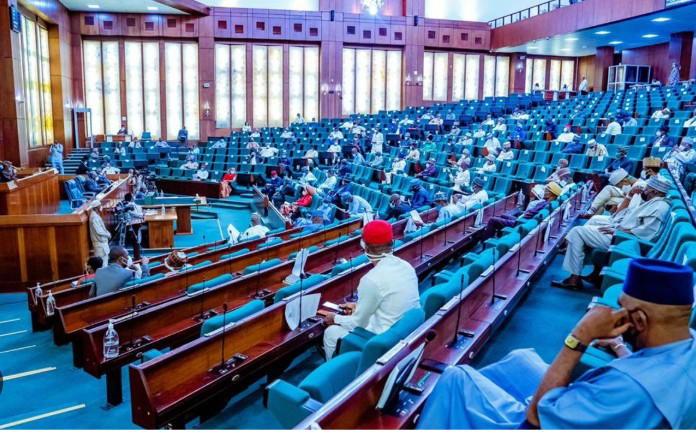
The House of Representatives has taken the first major legislative step toward approving a ₦2.2 trillion budget for the Federal Capital Territory (FCT) for the 2026 fiscal year. The budget proposal has successfully passed its first reading and been advanced to a second reading, signaling lawmakers' initial green light for further debate and examination.
Understanding the Legislative Process
A second reading in the National Assembly is a crucial procedural milestone. It indicates that the proposed legislation—in this case, the FCT Appropriation Bill—has been formally introduced and deemed worthy of detailed consideration. It is not final approval, but rather permission to proceed to the next, more intensive phase: the committee stage.
Next Stop: Committee Scrutiny
Following the second reading, the budget will be committed to relevant House committees. This is where the substantive work begins. Committees will conduct line-by-line analyses of the ₦2.2 trillion plan. They are expected to summon officials from the Federal Capital Territory Administration (FCTA) to justify the proposed expenditures, explain policy priorities, and provide clarifications on specific projects and allocations.
This committee stage is often described as 'where the rubber meets the road,' as grand fiscal plans are tested against practical needs, implementation capacity, and overall fiscal responsibility. The early passage for a second reading is significant, as it provides committees with ample time for thorough scrutiny without the pressure of a last-minute rush, which can lead to oversight and errors.
Implications for Abuja and Residents
The ₦2.2 trillion budget represents the financial blueprint for Nigeria's capital city. Its allocations will determine funding for critical infrastructure and services including:
- Transportation (road construction, maintenance, and public transit)
- Education (public schools and facilities)
- Healthcare (hospitals and clinics)
- Security
- Water and sanitation
- General administrative operations
In essence, this budget will shape what projects are initiated, completed, or deferred in Abuja throughout 2026. The scale of the figure—over two thousand billion naira—highlights the substantial resources being earmarked for the territory's development.
The Path Forward
The advancement of the budget marks the beginning of a lengthy legislative journey. After committee work, the bill will return to the full House for consideration of the committees' reports, possible amendments, and a third reading. It must then pass through the Senate and receive presidential assent before becoming law. This process is expected to continue over the coming months, with final approval likely in late 2025.
The deliberate pace suggested by this early start is generally viewed positively by governance observers, as it allows for greater transparency, more robust debate, and potentially stronger accountability in how public funds are allocated for the nation's capital.