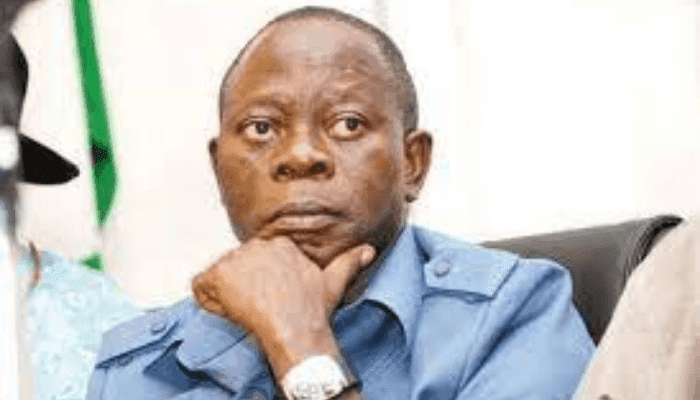
The lesson isn't coming from a pulpit or classroom. You'll find it between haggling over yam prices and the hiss of frying akara. At motor parks where drivers wait for passengers. In bukaterias over plates of amala and ewedu. This is where Adams Oshiomhole's political 'gospel' is spreading—a street-level rhetoric that's becoming Nigeria's unofficial political curriculum.
The Language of the Street
What makes Oshiomhole's messaging resonate where other political speech fails? It's the vocabulary. His words don't sound like polished political speeches; they sound like the frustration people feel waiting for electricity that never comes or roads that never get fixed. This isn't accidental—it's strategic communication that bypasses traditional political channels to speak directly to lived experience.
Measuring Words Against History
The critical tension in this 'gospel' lies in Oshiomhole's own history. As a former labor leader who fought for workers' rights, he built credibility that still matters to people clocking in for wages that don't stretch. Now, every statement is measured against that past. "Is this the same man who stood with us then?" becomes the fundamental question in market debates.
From Noise to Engagement
While official policy documents gather dust, Oshiomhole's rhetoric accomplishes what they cannot: it gets people talking. These conversations represent a form of political engagement that formal politics often misses. When people debate whether "talk is cheap" or whether his words represent genuine understanding, they're engaging with questions of accountability and consistency.
The Grassroots Curriculum
This phenomenon reveals something important about Nigerian politics today. When formal institutions feel distant, political education happens informally—in markets, motor parks, and local eateries. Oshiomhole's 'gospel' has become part of that curriculum, shaping how ordinary people understand power, promises, and political character.
What remains to be seen is whether this street credibility translates to lasting political influence, or whether—like morning dew—it will vanish when tested against the reality of governance.