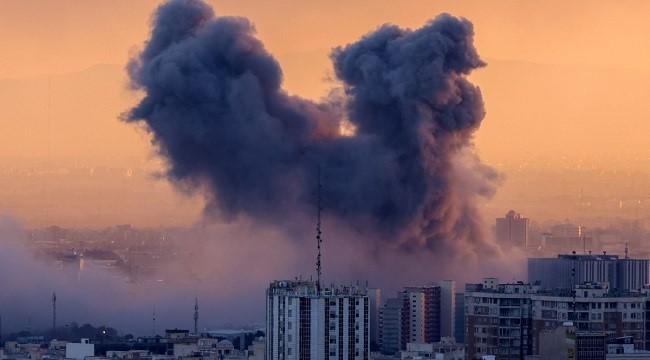
The persistent conflict in the Middle East is sending shockwaves far beyond its immediate region, with African nations, including Nigeria, experiencing tangible economic and geopolitical consequences. While the fighting occurs thousands of miles away, the interconnected nature of global trade and diplomacy means no continent remains isolated from its effects. For Africa, these impacts are multifaceted, touching on critical areas from financial markets to regional security partnerships.
The Economic Squeeze: From Ports to Pockets
Economically, the instability disrupts vital shipping lanes and trade corridors that connect Africa to global markets. Many African economies rely on imports of goods, including essential commodities, and exports of raw materials through routes now considered higher risk. This disruption leads to increased shipping insurance costs, longer delivery times, and overall higher costs for consumers and businesses. The resulting inflationary pressure is a direct burden on populations already facing economic challenges.
Energy Markets on a Rollercoaster
Energy markets are particularly sensitive to Middle Eastern tensions, with fluctuations in oil and gas prices having an immediate impact. Several African nations are net importers of refined petroleum products, meaning price spikes directly increase the cost of transportation and electricity generation. Conversely, for African oil-exporting countries like Nigeria, the volatility creates an unpredictable revenue environment, complicating national budgeting and long-term economic planning.
The Diplomatic Tightrope
Beyond pure economics, the conflict forces a recalibration of geopolitical alignments and diplomatic strategies for African states. Nations must navigate their relationships with global powers deeply involved in the Middle East, balancing calls for solidarity with the need to protect their own national interests. This delicate dance affects voting patterns in international bodies like the United Nations and influences bilateral aid and investment discussions.
The war also has implications for security cooperation and counter-terrorism efforts, as global focus and resources are diverted. For the average Nigerian, this is not just foreign news—it's reflected in the price of bread, the cost of transportation, and the strategic decisions that shape the nation's future on the world stage.