The human and geopolitical tragedy of the Middle East conflict resonates globally. For Nigeria, thousands of miles away, the repercussions are economic and are being felt in markets and households across the nation. Verified reports indicate that disruptions to global trade and energy markets are translating into higher prices and reduced access to essential goods, placing a heavy burden on citizens.
The Fuel Price Domino Effect
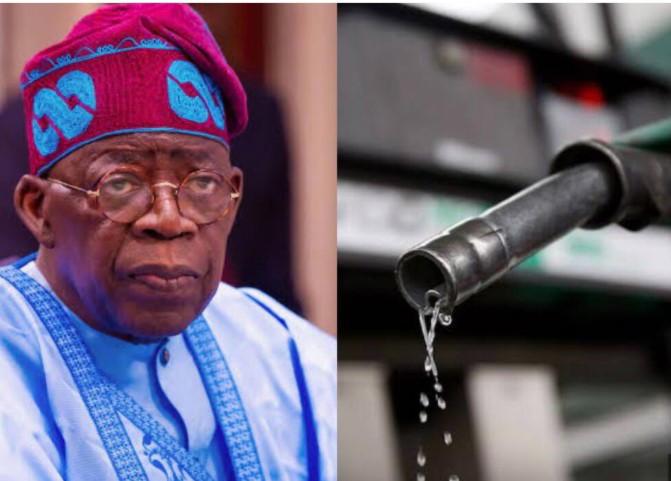
One of the most immediate impacts is on transportation and energy costs. Nigeria, despite being a crude oil producer, remains heavily reliant on imported refined petroleum products. This dependency creates acute vulnerability to the volatility currently gripping global oil markets due to the war. The resulting spike in international prices has directly contributed to rising pump prices domestically. This increase acts as an inflation multiplier, raising the cost of moving goods and people across the country's vast distances, which in turn drives up prices for nearly everything else.
A Threat to Food Security
The conflict strikes closer to home at the dinner table. Nigeria imports a significant portion of its wheat and other staple foods, with critical supply chains originating from or passing through conflict-affected regions. Disruptions and delays to these shipments have led to tangible shortages and sharp price hikes for bread, flour, and other wheat-based products. This places an enormous strain on family budgets already stretched thin by persistent inflation and stagnant wages, pushing food security further out of reach for many.
The Ripple Effect on Imports and Business
The economic shockwaves extend beyond fuel and food. Numerous Nigerian businesses source electronics, building materials, and other goods from or through trade hubs in the Middle East. The current climate has led to severe shipping delays, skyrocketing insurance premiums, and inefficient rerouted cargo. These increased operational costs are inevitably passed on to consumers, stifling business growth, reducing consumer purchasing power, and slowing economic activity.
Broader Implications
The situation also complicates Nigeria's foreign policy, given its diplomatic and economic ties with several Middle Eastern nations. Furthermore, the significant Nigerian diaspora living and working in the region now faces increased uncertainty and potential hardship, adding a human dimension to the economic calculus.
In conclusion, the Middle East conflict is a stark reminder of our interconnected global economy. For Nigeria, it is not a distant news story but a present economic pressure, exacerbating existing challenges and demanding adaptive strategies from policymakers, businesses, and citizens alike.