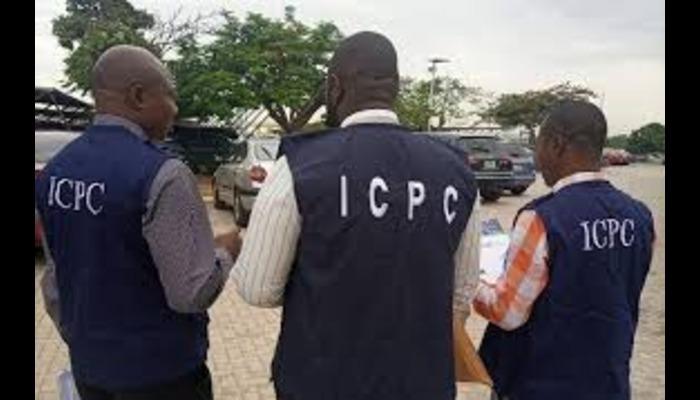
Nigeria's Independent Corrupt Practices and Other Related Offences Commission has categorically debunked claims that it arrested or is investigating Justice Olukayode Adeniyi Omotosho, a judge of the Federal High Court. This public denial serves as a direct counter-narrative to reports that had been circulating, which suggested the senior judicial officer was under scrutiny by the anti-graft body. The ICPC's statement aims to set the record straight and halt the spread of unverified information.
Public denials from major agencies like the ICPC are not routine, indicating the perceived seriousness of the misinformation. When such an institution finds it necessary to publicly correct the record, it signals that the false claims had gained significant traction or posed a risk to public confidence. The decision to issue a formal rebuttal, rather than ignore the rumors, reflects a strategic choice to protect the integrity of both the judiciary and the commission's own investigative processes.
For Justice Omotosho, an unfounded allegation of arrest or investigation by a powerful anti-corruption agency carries substantial professional and personal risk. Even when proven false, such claims can damage a judge's reputation, potentially undermining public trust in their rulings and creating an atmosphere of suspicion. The ICPC's swift denial is a necessary step to shield a judicial officer from reputational harm that could persist despite the lack of evidence.
The broader context involves a Nigerian information ecosystem where unverified claims about public figures can spread rapidly, particularly on social media platforms. This incident exemplifies the challenge institutions face in managing narratives and correcting falsehoods after they have entered public discourse. The ICPC's action represents a reactive measure in a constant battle against misinformation that can distort public perception of governance and accountability.
From an operational perspective, false reports of an arrest or investigation can actively hinder an agency's legitimate work. They can create unnecessary public drama, distract from actual cases, and potentially tip off real targets of inquiry. By debunking this specific claim, the ICPC also sends a signal about its operational discipline, implying that its actions are deliberate and not subject to the rumor mill.
This episode highlights the fragile equilibrium between judicial independence and public accountability in Nigeria. While robust oversight of the judiciary is essential, mechanisms must be based on verified facts to avoid politicizing the bench. Unsubstantiated probes, even in rumor form, can be weaponized to pressure judges or influence ongoing cases, making official clarifications from bodies like the ICPC critically important for maintaining the separation of powers.
In practical terms, the ICPC's denial does more than just clear a judge's name; it reinforces a procedural norm. It asserts that the commission's activities are not shrouded in secrecy but are matters of public record when formally undertaken. This transparency, even in negation, helps establish a baseline of credible information against which future rumors can be measured by the media and the public.
The next step for observers is to monitor whether this clarification effectively stifles the false narrative or if the claims persist in certain circles. The durability of the correction will test the effectiveness of official communications in a fragmented media landscape. Furthermore, the ICPC may need to consider if the origin of the false report warrants its own investigation into potential defamation or deliberate misinformation campaigns.


