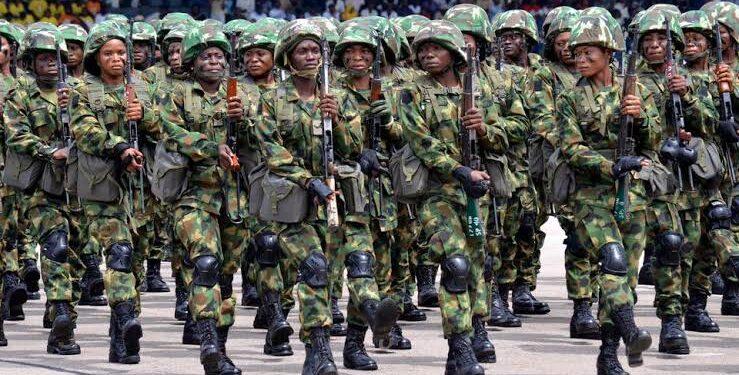
Military forces have reopened a major roadway in Imo State after clearing 11 improvised explosive devices that had forced its closure for three years. The operation marks a significant step in restoring mobility and security to a region where infrastructure had been severely compromised. The road's reopening directly addresses a prolonged period of isolation for communities that depended on it for travel and commerce.
For three years, the route was deemed too dangerous for civilian use, effectively cutting off areas it served. The presence of multiple IEDs represented a persistent threat to life and hindered economic activity. Local residents and businesses endured substantial hardship due to the lack of a safe passage, relying on longer, less efficient alternatives.
The clearance of 11 separate explosive devices required specialized military engineering units. Such operations involve meticulous detection, identification, and safe disposal procedures to neutralize threats without causing detonation. The successful completion of this task demonstrates a focused effort to reclaim public infrastructure from hazards that paralyze normal life.
Reopening the road reconnects communities, facilitates the movement of goods, and allows for the resumption of public transportation services. It is a tangible improvement in daily living conditions for people who have faced extended disruption. Restoring this link is also crucial for enabling security forces to patrol the area more effectively and respond to incidents.
The three-year abandonment period underscores the severe and lasting impact that security challenges can have on basic infrastructure. When roads become unusable, access to markets, healthcare, and education is severely restricted. The reopening signals a potential turning point, moving from a state of paralysis toward recovery and normalcy.
Military authorities have not released details on the suspected origin of the IEDs or whether any arrests were made in connection with their placement. The focus of the official announcement remains on the successful clearance operation and the restoration of the roadway. Further investigations into the security situation surrounding the route may be ongoing.
This development is part of broader efforts to secure transportation networks in regions affected by instability. Safe roads are fundamental to economic vitality and social cohesion. The military's role in this engineering task highlights the multifaceted nature of contemporary security operations, which often extend beyond direct combat to include infrastructure rehabilitation.
The immediate next step is for civilian authorities and transport agencies to formally reintegrate the road into the public network and inform the populace of its operational status. Regular security patrols will likely be maintained to ensure the route remains safe for public use and to prevent any future attempts to disrupt it.


