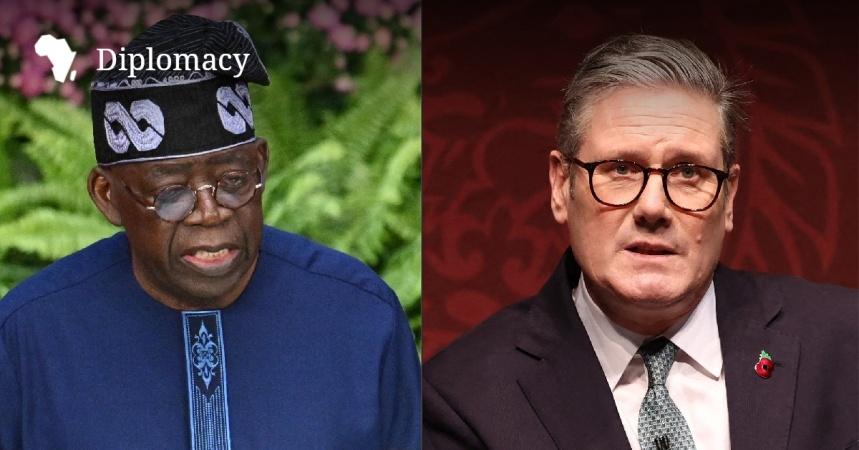
India and several other nations have taken the unusual step of formally refusing to accept diplomatic envoys dispatched by Nigerian President Bola Tinubu. This collective action represents a direct and serious diplomatic rebuke, signaling substantial international disagreement with the current Nigerian administration.
A Rare Diplomatic Event
Diplomatic envoys are the primary official representatives of a head of state to foreign governments. Their rejection is a rare protocol, typically reserved for moments of significant political or policy discord between nations. For President Tinubu, these refusals constitute an immediate and tangible foreign policy setback early in his tenure.
The Implications of Coordinated Pushback
The fact that multiple nations, including a major global power like India, have acted in concert suggests a coordinated or widely shared objection to a specific Nigerian policy. While the precise nature of the contentious policy remains undisclosed in official reports, this multilateral pushback amplifies the diplomatic isolation faced by Abuja. It complicates Nigeria's ability to advance its international agenda, negotiate agreements, and maintain robust bilateral relations during a critical period.
Tinubu's Domestic and International Crossroads
President Bola Tinubu assumed office in 2023 after a contested election and has since pursued ambitious domestic economic reforms, notably the removal of a longstanding fuel subsidy. The policy that provoked the envoy rejections, however, appears to be a separate matter of international concern, potentially relating to governance, security frameworks, or regional positioning.
Path Forward for Nigerian Diplomacy
The Nigerian Ministry of Foreign Affairs now faces the complex task of managing these fractured relationships. Standard diplomatic protocol would necessitate urgent, high-level consultations to understand the specific objections from each rejecting country. The ministry's crucial decision will be whether to recommend an adjustment to the contested policy or to seek alternative diplomatic pathways to mend fences.
Historical precedents show that such rejections can lead to stalled negotiations, frozen cooperation agreements, and a general cooling of relations. How Nigeria navigates this challenge will be a key test of President Tinubu's diplomatic strategy and his administration's standing on the world stage.