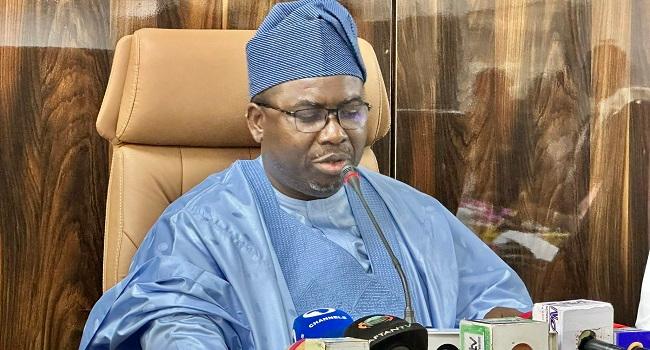
The Chairman of the Independent National Electoral Commission (INEC), Prof. Joash Amupitan (SAN), has been ordered to appear before the Federal High Court in Abuja on March 10, 2024. Justice Obiora Egwuatu issued the summons for a contempt charge filed by the National Rescue Mission, setting the stage for a significant legal confrontation involving the nation's top electoral official.
This court date arrives at a critical juncture, coinciding with a fierce national debate about the health of Nigeria's democracy and the persistent problem of voter apathy. The discourse reveals a deep divide in diagnosing what ails the electoral process.
The INEC Chairman's Diagnosis: Flawed Primaries
Prof. Amupitan has publicly positioned the blame for voter disengagement on the internal processes of political parties. He argues that non-transparent, often contentious primary elections produce candidates who lack genuine popular appeal. When citizens cannot connect with or trust the candidates on the ballot, the incentive to participate in the general election evaporates. Amupitan has further highlighted the colossal financial cost of this internal strife, noting that "billions of naira" are spent on litigations arising from party disputes—funds that could be channeled into national development.
The Counter-Argument: A Crisis of Institutional Trust
A strong opposing view, held by many in the political opposition and civil society, challenges this narrative. This perspective posits that the primary driver of apathy is not the quality of candidates but a fundamental lack of faith in INEC itself. Proponents of this view argue that many Nigerians perceive the commission as compromised or incapable of ensuring a free and fair electoral process. If the public believes the "umpire" is biased or the results are pre-determined, participation feels futile regardless of who is running. This represents a profound crisis of institutional credibility.
Analysis: A Symptom of a Larger Malaise
The court summons and the parallel debate are not isolated incidents. They are interconnected symptoms of a systemic challenge facing Nigerian democracy. The legal action against the INEC Chairman tests the accountability of a pivotal institution, while the apathy debate questions its very legitimacy in the eyes of the electorate.
Restoring voter confidence will require addressing both sides of this coin: political parties must democratize their internal processes to present credible candidates, and INEC must undertake transparent, consistent reforms to rebuild public trust. The outcome of the March 10 court proceeding will be closely watched as a barometer of the commission's accountability, even as the larger battle for the hearts and minds of Nigerian voters continues.