The Independent National Electoral Commission (INEC) has issued a stark warning that the recurring leadership tussles and protracted disputes within Nigeria's political parties are creating a dangerous diversion. With the 2027 general elections on the horizon, the Commission says its focus is being pulled away from core planning and logistics by what it calls "avoidable intra-party disputes."
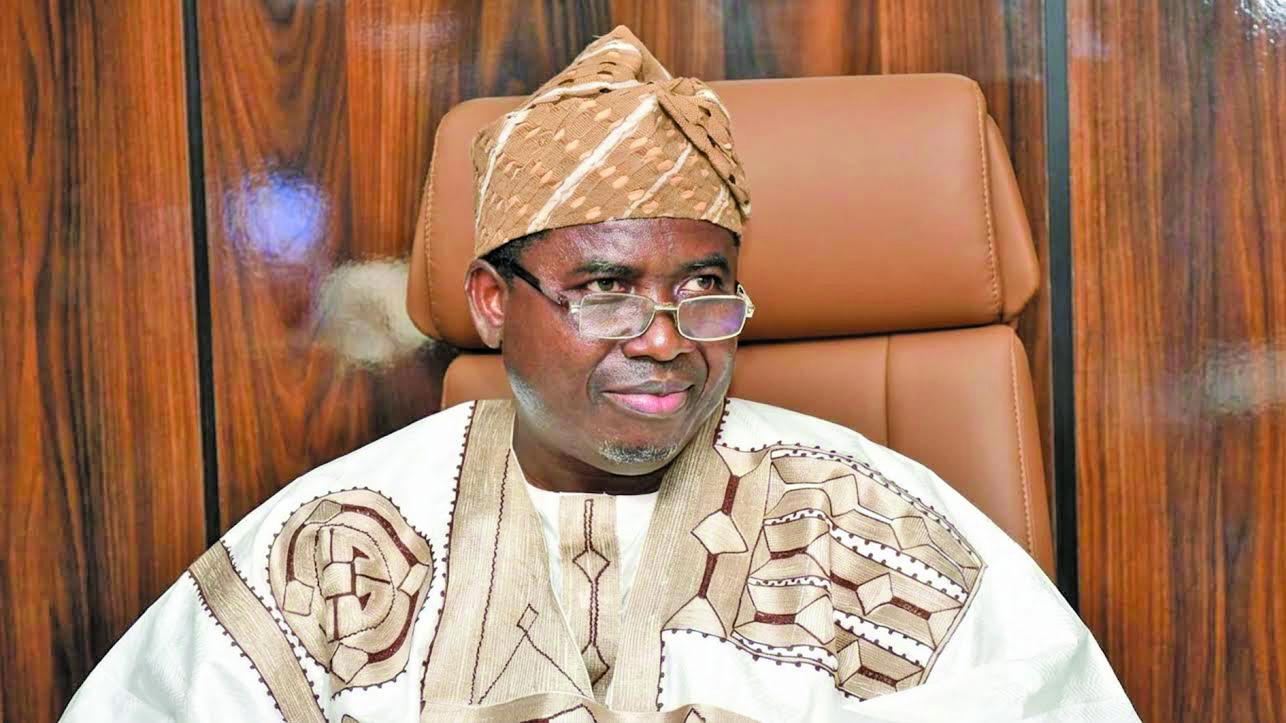
INEC Chairman, Prof. Joash Amupitan, SAN, voiced this significant concern at the opening of a three-day Technical Review Workshop in Ikot Ekpene, Akwa Ibom State. He emphasized the direct link between internal party democracy and the quality of national elections, stating, “Each day spent defending avoidable intra-party disputes is a day diverted from our primary mandate of election planning.”
This frustration comes against a backdrop of visible voter disengagement. A simple analysis of search trends for last month’s council elections in the Federal Capital Territory (FCT) reveals "voter apathy" as a leading key phrase, indicating a growing public disillusionment with the electoral process. The movement restriction imposed on election day by the FCT Minister, while intended for security, may have further suppressed an already low turnout, presenting a microcosm of the national challenge INEC fears.
Strengthening the Framework: INEC's Response
In response, INEC is undertaking a comprehensive review of its Regulations and Guidelines for Political Parties. The revised framework, aligned with the Electoral Act 2026, aims to introduce stricter benchmarks for:
- Financial Transparency: Ensuring clearer auditing and reporting of party funds.
- Membership Documentation: Moving away from ambiguous membership rolls to verifiable data.
- Inclusion: Mandating better representation of women, youths, and persons with disabilities in party structures.
This regulatory tightening is designed to strengthen parties from within, addressing the root causes of internal crises that often spill over to disrupt the broader electoral timeline.
A Shifting Landscape: The Igboho Factor
Adding another layer to this complex political moment is the reported political realignment of prominent activist Sunday Igboho towards the ruling All Progressives Congress (APC). This move, if confirmed, symbolizes the fluid and often unpredictable nature of Nigerian politics, where allegiances can shift dramatically. It underscores the very environment of change and instability that INEC's warning seeks to address.
As 2027 approaches, the twin narratives of institutional concern from INEC and high-profile political movements like Igboho's set the stage for a critical pre-election period. The commission's ability to enforce stronger party regulations and re-engage a skeptical electorate will be crucial tests for Nigeria's democratic resilience.


