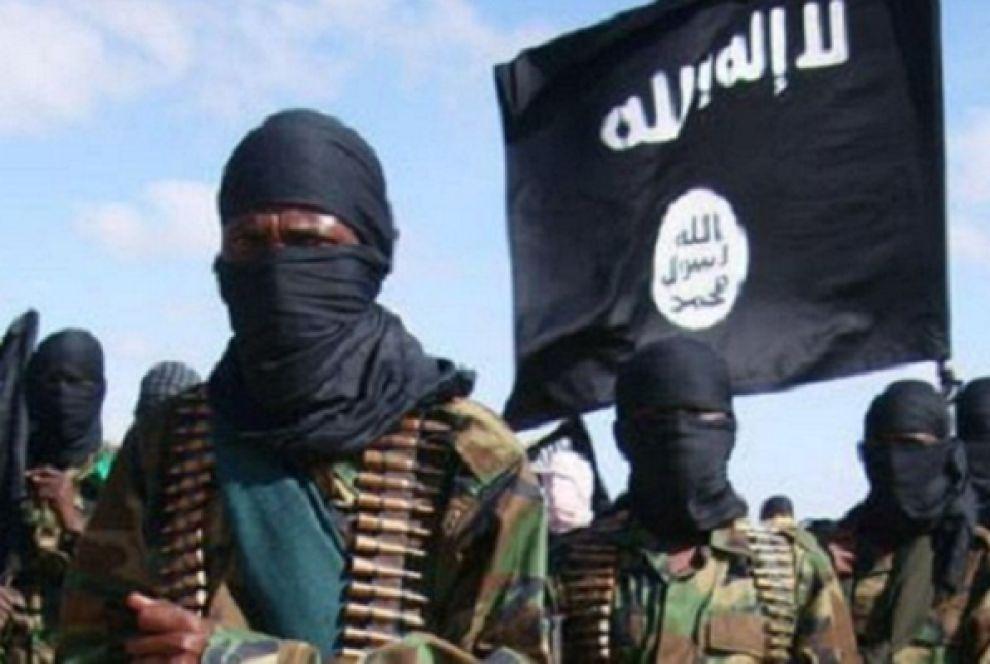
A significant and alarming shift is being reported in the landscape of West African security. According to five separate intelligence sources, Iran is now being identified as a key state backer of terrorism within Nigeria.
The Core Allegations
The allegations are direct: Iranian state actors are reportedly providing funding and logistical support to militant groups operating in Nigeria. This development transforms Nigeria's long-running security crisis from a primarily domestic or regionally-linked conflict to one with clear international dimensions. The nature of the alleged support—whether financial, ideological, or tactical—is now a critical focus for counter-terrorism analysts worldwide.
A Major Geopolitical Shift
If these claims are substantiated, they would represent a fundamental change. Historically, threats from groups like Boko Haram and the Islamic State West Africa Province (ISWAP) have had domestic roots or connections to regional jihadist networks. The direct involvement of a powerful Middle Eastern state like Iran introduces a new and formidable actor. This could drastically alter the capabilities, objectives, and resilience of militant factions, complicating existing counter-insurgency efforts and international partnerships.
Implications for Nigeria's Security Forces
The practical consequences are profound. An external state sponsor can provide resources far beyond the reach of typical insurgent groups. We're talking about the potential for advanced weaponry, sophisticated communication systems, and specialized training. This level of support could enable more complex, coordinated, and deadly attacks, severely testing the Nigerian military's capacity and strategy.
The Intelligence Challenge
This new threat landscape raises the stakes for intelligence gathering. Efforts must now expand to intercept international financing flows and monitor the covert diplomatic channels that could be facilitating this alleged state support. Understanding the chain of command and material transfer is paramount.
Analyzing Iran's Potential Motivations
Analysts are scrutinizing why Iran might engage in such activity. Iran's foreign policy has frequently involved supporting proxy groups to extend its influence and counter regional rivals, notably Saudi Arabia. Nigeria, with its large Muslim population, strategic location, and significant resources, could be viewed as a new theater for this long-standing geopolitical contest. The motivations likely blend ideological alignment with realpolitik strategy, aiming to gain a foothold in a strategically important region.