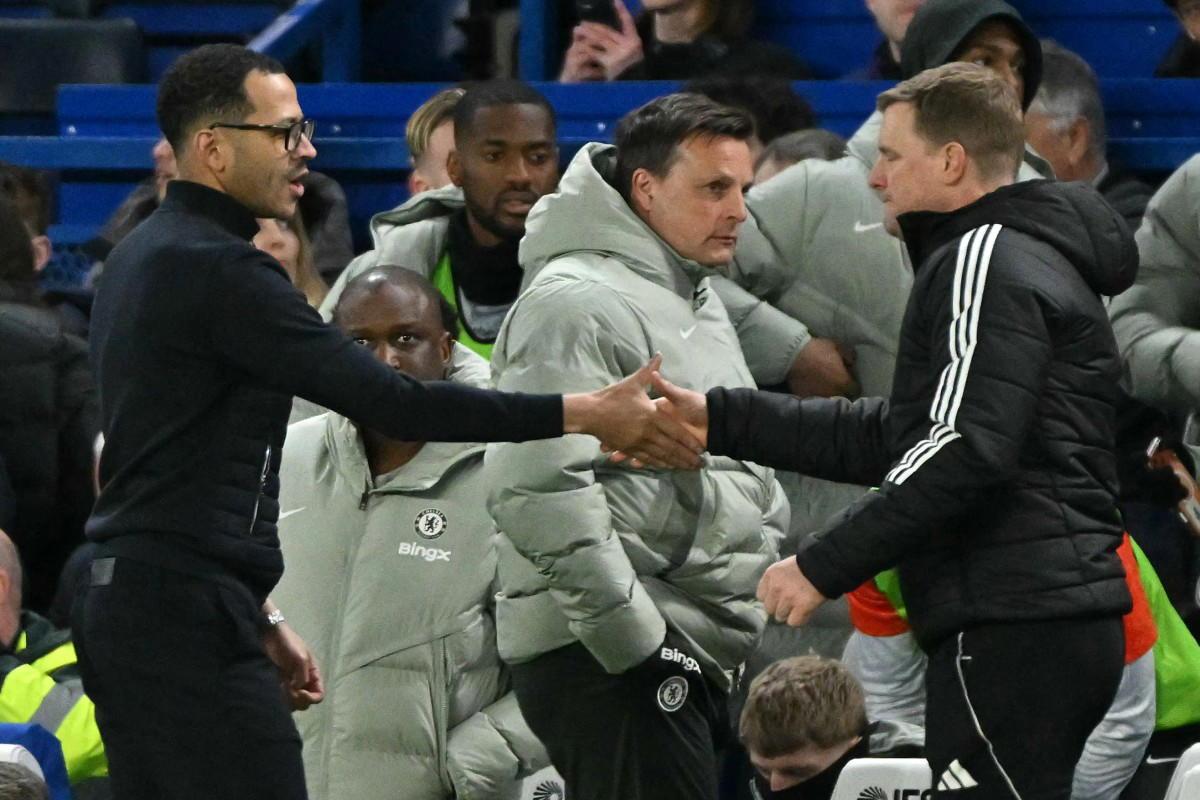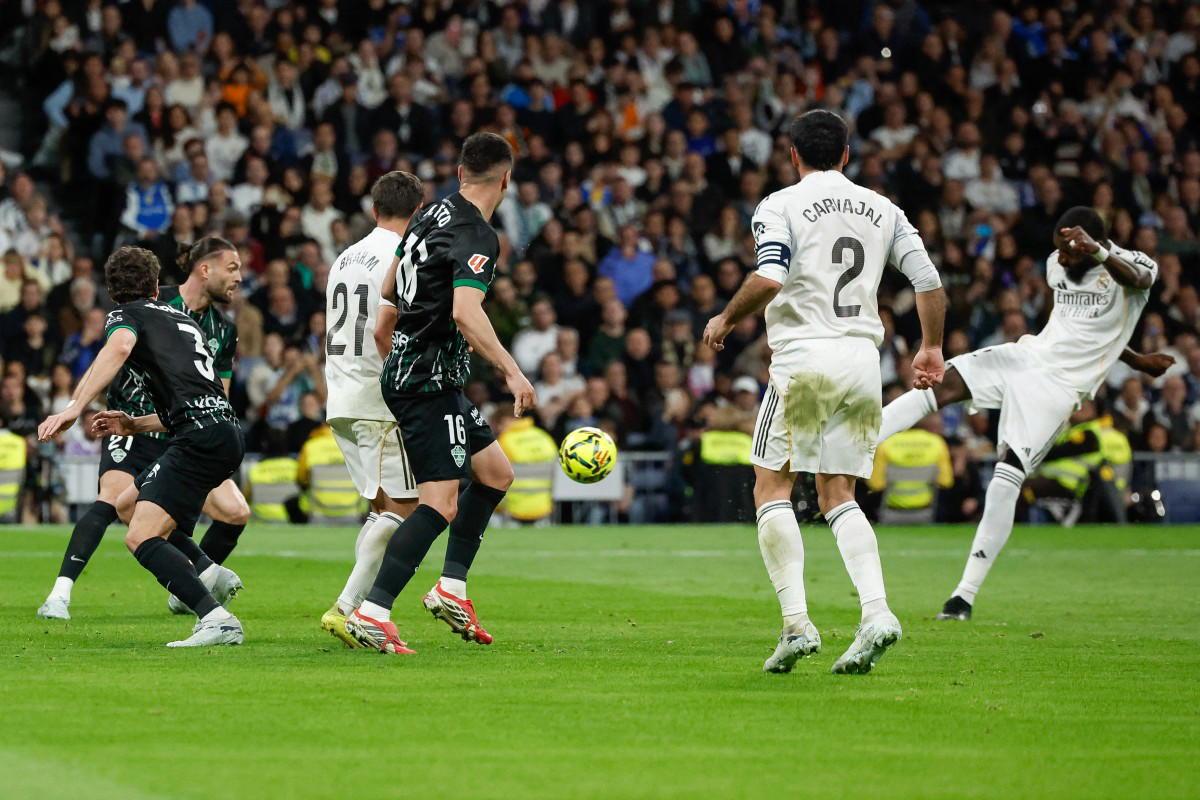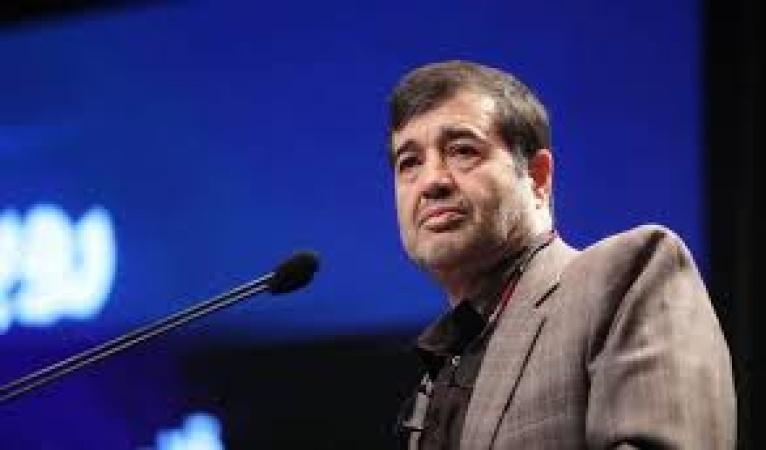
Iran will not participate in the 2026 FIFA World Cup, the country's Sports Minister announced, marking a significant geopolitical statement that prioritizes politics over sport. The decision means the Iranian national soccer team will refuse to compete in the world's largest sporting event, even if it successfully qualifies through the Asian Football Confederation's process.
The Immediate Impact on Sport
The most direct consequence falls on Iran's athletes. Qualifying for and playing in a FIFA World Cup represents the absolute peak of a soccer player's international career. This boycott denies a generation of Iranian players that opportunity. It also disappoints millions of Iranian fans who support their national team. For the tournament itself, FIFA must now adjust qualifying brackets and schedules, potentially altering the competitive landscape for other Asian nations.
The Political Context
While the official announcement did not specify reasons, such boycotts are inherently political. The 2026 World Cup is jointly hosted by the United States, Canada, and Mexico, with the U.S. as the primary host. Iran and the United States have endured a fraught diplomatic relationship for decades, spanning issues from nuclear agreements to regional conflicts. Using a sports boycott is a established tool of international diplomacy, intended to signal protest and deny legitimacy or camaraderie to a host nation.
A History of Sporting Boycotts
This move echoes historical precedents. During the Cold War, the U.S. led a boycott of the 1980 Moscow Olympics, which the Soviet Union reciprocated by skipping the 1984 Los Angeles Games. More recently, several Western nations enacted diplomatic boycotts of the 2022 Beijing Winter Olympics over human rights concerns, though their athletes still competed. Iran's decision is a full athletic boycott, a more severe step.
Looking Ahead to 2026
With over two years until the tournament, FIFA and continental soccer bodies have time to adapt. The focus now shifts to the Asian qualifying pathway, which becomes more open for other nations, and to whether this announcement will stand or become a point of negotiation. The 2026 World Cup will go on, but it will now carry the visible scar of international discord.