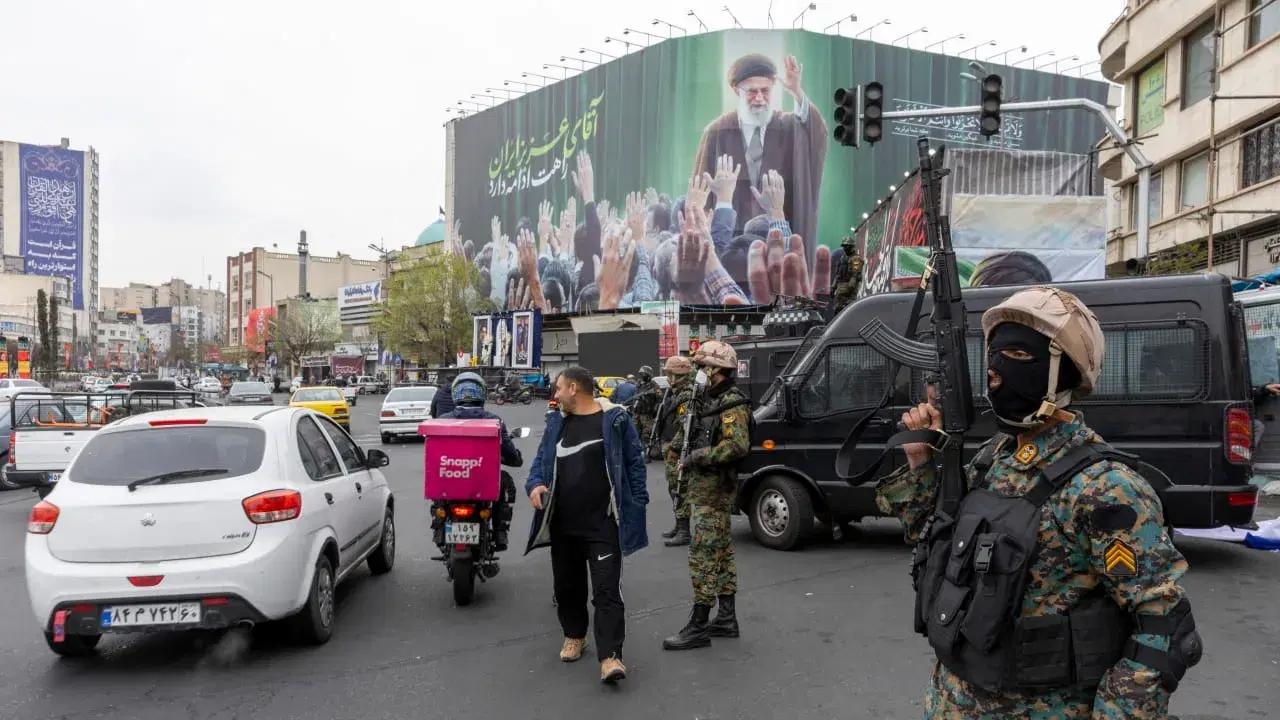
The announcement came not with public fanfare, but through the hushed networks of community and rumor. Iranian security forces have detained thirty individuals accused of espionage, one of whom is confirmed to be a foreign national. The sweep has left families in agonizing silence and cast a pall of suspicion over daily life.
The Weight of an Accusation
In Iran, an arrest for espionage carries a social weight far beyond a criminal charge. It acts as a cloud over entire families, often leading to social isolation as neighbors and friends distance themselves. The lack of a published list of names or specific allegations means anyone could be among the detained—the familiar shopkeeper, the quiet student—amplifying a pervasive sense of uncertainty.
The Foreigner Factor: Amplifying Old Fears
The confirmed inclusion of a foreign citizen among those arrested adds a significant layer of tension. In a country where many have family diaspora or rely on fragile international connections for business amid sanctions, this detail is particularly chilling. It resurrects deep-seated fears that any contact with the outside world can be retroactively construed as treasonous or dangerous, effectively serving as a stark warning to the business and academic communities.
An Information Vacuum Filled with Dread
Authorities have released no details regarding the alleged espionage activities, the affiliations of the accused, or the nationality of the foreign detainee. This official silence has created a vacuum rapidly filled with speculation and anxiety. Public whispers link the arrests to topics ranging from nuclear negotiations to past internet protests, demonstrating how, in the absence of facts, every theory becomes plausible and frightening.
Echoes of the Past in a Present Quiet
While security sweeps are not unprecedented in Iran, the scale of thirty simultaneous arrests has put the public on edge. It evokes memories of larger crackdowns following periods of civil unrest. The distinct difference now is the atmosphere: not one of open protest, but of subdued, collective unease that renders ordinary conversation cautious and glances wary. The quiet on the streets speaks volumes about the psychological impact of such security operations.


