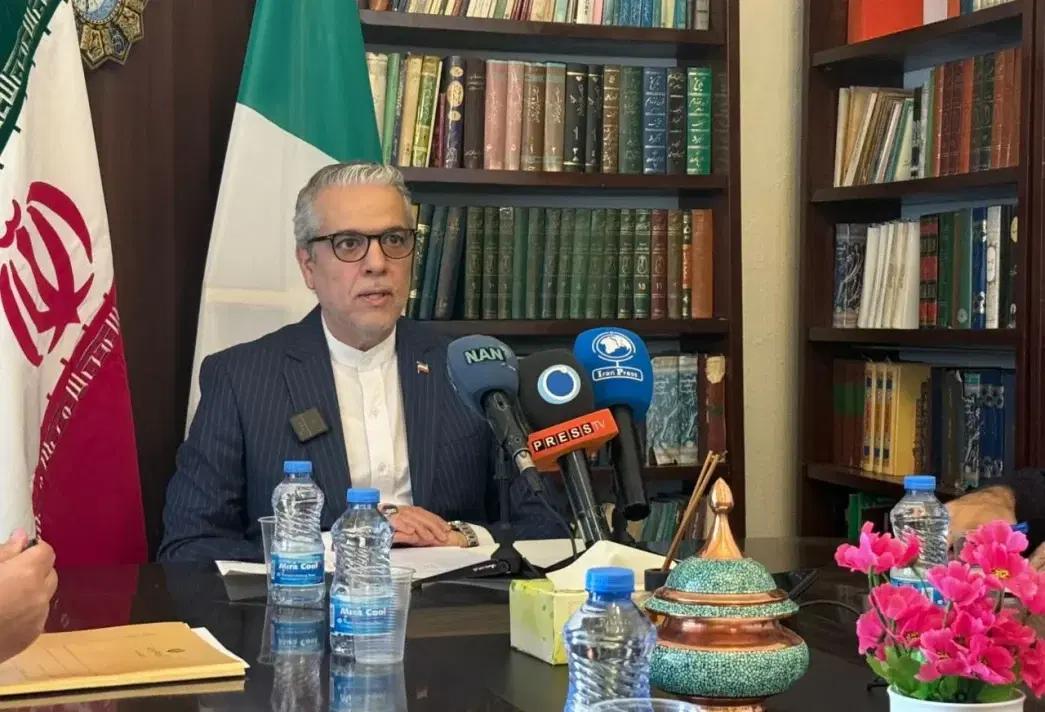
Iran's Ambassador to Nigeria, Mahdavi Raja, has publicly assured that Nigerian citizens living in Iran remain safe despite the escalating military conflict in the Middle East. The ambassador delivered this message during a news conference in Abuja on Thursday, as tensions continue to rise from the ongoing U.S.-Israel-Iran military standoff.
Ambassador's Assurance: Protection Under International Law
Ambassador Raja emphasized that Iran's response constitutes defensive measures aimed solely at protecting its sovereign territory and population, in accordance with international law. He specifically cited the principles of self-defence under Article 51 of the United Nations Charter. "The safety of foreign residents, including our Nigerian brothers and sisters, is a priority for the Islamic Republic of Iran," Raja stated.
Conflict During Sacred Period
The ambassador noted the unfortunate timing of the escalation, coinciding with the holy month of Ramadan and the Iranian New Year, Nowruz. This period holds significant cultural and religious importance in Iran, adding a layer of complexity to the ongoing hostilities.
The Stark Ground Reality: Statistics of Destruction
However, the situation on the ground paints a severe picture, contrasting with the diplomatic assurances. Israel and the United States have intensified airstrikes across Iran for a sixth consecutive day. According to statistics from the Iranian Red Crescent, the scale of bombardment is substantial:
- More than 3,600 sites nationwide have suffered damage
- Over 3,000 homes destroyed or damaged
- 528 commercial centres affected
- 13 medical facilities hit
- 9 Red Crescent centres damaged
The human cost is even more devastating, with the death toll from the strikes rising to at least 1,230 since Saturday. In a separate naval incident, a US submarine torpedoed the Iranian frigate Iris Dena near Sri Lanka, resulting in 87 fatalities and 32 rescues.
Multi-Front Security Challenge
Complicating matters further, Kurdish fighters have begun crossing from Iraq into western Iran, indicating a multi-front security challenge for the Iranian government.
What This Means for Nigerians in Iran
For the Nigerian community in Iran—which includes students, businesspeople, and professionals—the ambassador's words offer reassurance. Yet, the extensive damage to civilian infrastructure, including homes and hospitals, raises practical concerns about safety, mobility, and access to essential services.
The Nigerian government now faces the delicate task of evaluating these assurances against the reported realities, determining whether additional consular support or evacuation measures are necessary to protect its citizens abroad during this volatile period.