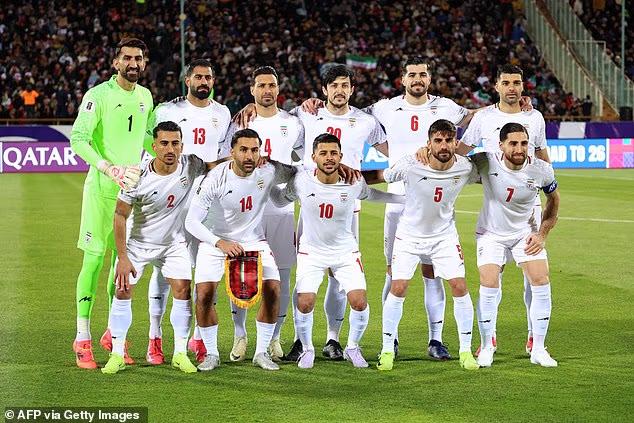
In a move that has stunned the global sports community, Iran's Sports Minister has issued a definitive declaration: the nation will not participate in the upcoming FIFA World Cup. This statement, though brief, represents a potential seismic shift in international sports diplomacy, threatening to withdraw a qualified national team and disrupt one of the world's most-watched events.
The Weight of a World Cup Absence
To understand the gravity of this decision, one must first recognize what the World Cup represents. The FIFA World Cup is more than a soccer tournament; it is a quadrennial global spectacle where national pride, athletic excellence, and cultural exchange converge on an unprecedented scale. Participation is a coveted honor, offering nations a unique platform on the world stage. A deliberate absence, therefore, is a profound and calculated statement.
A Boycott Without a Stated Cause
As of now, the announcement from Iran's Sports Minister comes without an explicit, publicly stated reason. Historically, nations have boycotted major sporting events for a complex web of reasons—political protest, disputes with governing bodies like FIFA, or internal national crises. While the specific catalyst remains unclear, the act of declaring a boycott is itself a powerful tool of non-participatory diplomacy, leveraging the visibility of sports to send a message.
The Human Cost: Athletes in the Crossfire
This potential boycott carries a direct and personal cost for the Iranian athletes, coaches, and support staff. For many, competing in the World Cup is the pinnacle of a lifetime of sacrifice and training. A government-mandated withdrawal overrides these individual dreams, repurposing their athletic platform for broader national or political objectives. The human impact of such decisions is often the most immediate and poignant consequence.
Logistical and Financial Ramifications for FIFA
Beyond the pitch, the ramifications are vast and operational. FIFA operates on a rigid framework of qualification, scheduling, and commercial agreements. The unexpected withdrawal of a qualified team would trigger a significant logistical crisis, forcing a scramble to adjust match schedules, group compositions, and television rights agreements worth billions of dollars. It challenges the very stability and predictability that global sporting federations rely upon.
The coming days will be critical as FIFA formally responds, Iran potentially clarifies its position, and the world watches how this act of sports diplomacy unfolds.