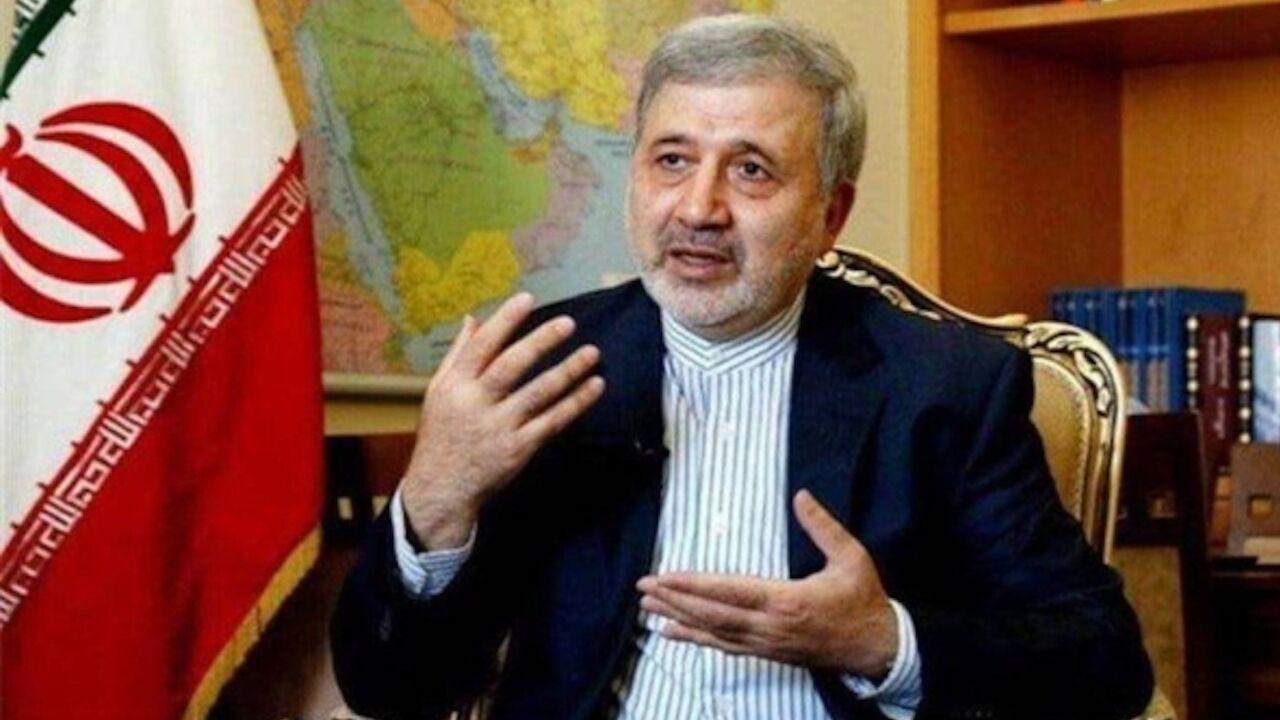
Iran's ambassador to Saudi Arabia has issued a formal and firm denial regarding alleged Iranian involvement in an attack on the United States embassy in Riyadh. This statement, a direct rebuttal to circulating claims, represents a critical diplomatic maneuver from Tehran aimed at preventing a dangerous escalation in an already tense region.
The denial emerges against the complex backdrop of Iran-Saudi relations. These two regional powers, long engaged in proxy conflicts across the Middle East, only recently embarked on a cautious diplomatic reconciliation brokered by China in 2023. An attack on a US mission on Saudi territory would constitute a severe violation of this nascent détente, potentially unraveling years of careful negotiation and plunging the region back into overt hostility.
For Iran, the stakes are exceptionally high. An accusation of targeting a US embassy carries the risk of international isolation and a forceful military response from Washington, which maintains significant assets in the region. Iran's immediate denial can therefore be interpreted as a preemptive strategy to avoid a cycle of retaliation at a time when the Islamic Republic is grappling with substantial domestic and economic challenges.
From a broader perspective, any incident involving a US embassy automatically triggers global scrutiny and carries the latent potential for an international crisis. The swiftness of Iran's denial underscores its desire to control the narrative and mitigate these risks. This episode serves as a stark reminder of the fragility of Middle Eastern diplomacy, where a single unverified allegation can threaten to destabilize carefully balanced relations. The path forward depends heavily on verification, restraint, and continued diplomatic engagement from all involved parties.


