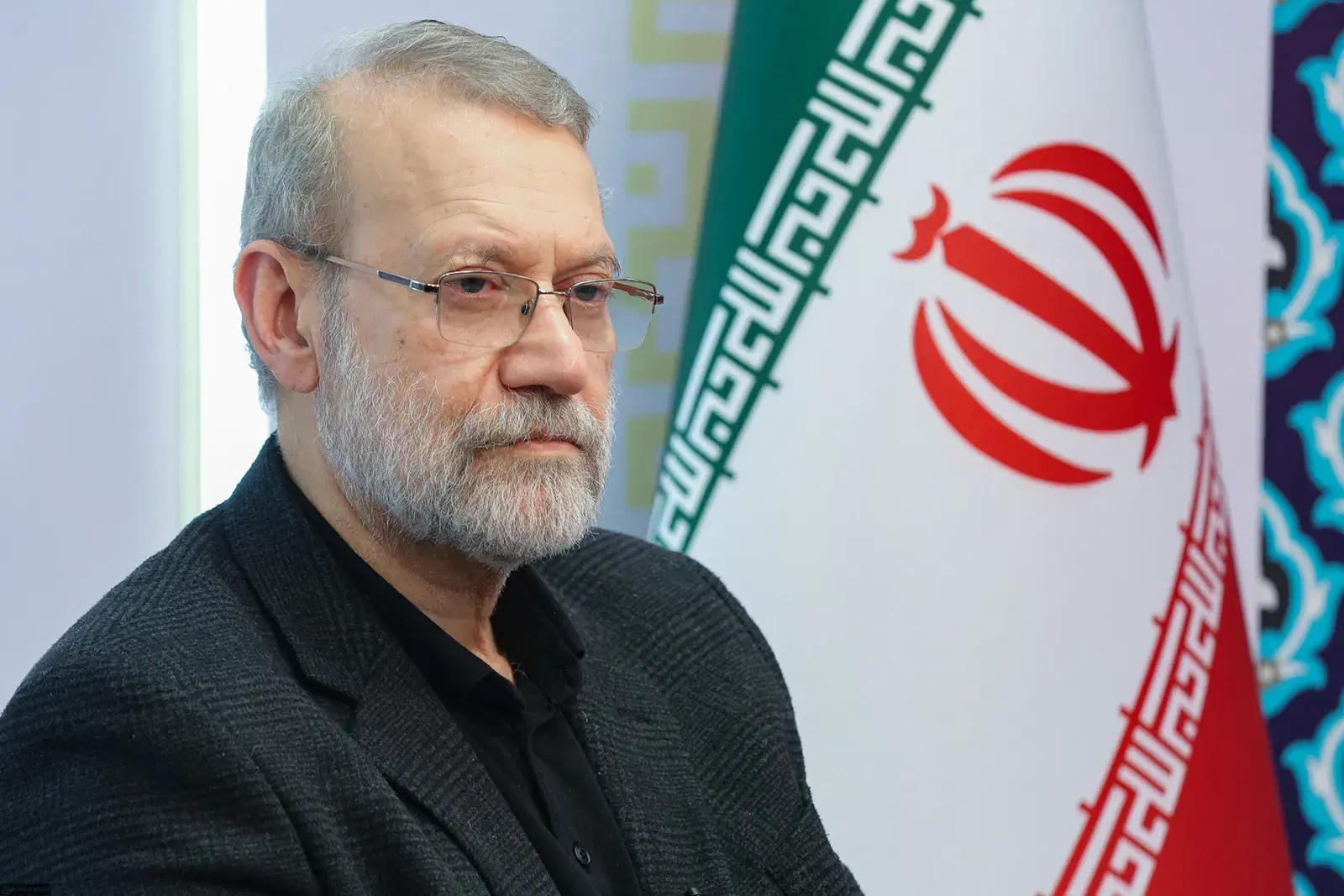
In a move that underscores the persistent friction between Tehran and Washington, Iran's top security official has publicly dismissed former President Donald Trump's renewed threats as 'empty' words. This direct rebuke is more than just another exchange in a long-running war of words—it's a strategic play in a high-stakes geopolitical standoff.
The Exchange: A Familiar Script with High Stakes
Trump recently reiterated a promise to hit Iran 'harder' if re-elected, a threat from a familiar playbook. The Iranian response was swift and dismissive. By labeling the threat 'empty,' Iranian officials are attempting a classic power move: undermining an adversary's credibility and projecting an image of unshakable confidence to both domestic and international audiences.
Why Rhetoric Matters: The Trap of Public Posturing
This public dismissal matters because in international relations, public rhetoric can quickly become a trap. When leaders draw lines in the sand or publicly mock an opponent's threats, they limit their own room for private, behind-the-scenes negotiation. Each public statement is a performance for multiple audiences—domestic supporters, global allies, and the adversary itself. Backing down after a strong public stance becomes a sign of weakness, making de-escalation significantly harder.
The Iranian Strategy: Projecting Control
The Iranian official's comment is a clear signal of strategy. It shows a decision not to engage with the threat on its own terms, but to reframe the narrative. The goal is to project control, reassure their populace and regional allies that they will not be intimidated, and place the onus of escalation back on the U.S. It's a psychological and political maneuver designed to dictate the terms of the engagement.
Looking Ahead: The Dangerous Game
While this may seem like just another chapter in a long feud, it raises the temperature in an already volatile region. Such public dismissals can force hands, making unintended escalation more likely. The world is watching this performance, and the next move—whether diplomatic, economic, or military—will be scrutinized as a direct consequence of this exchanged rhetoric. The standoff continues, now with even less room for either side to quietly step back.