The Middle East has entered a dangerous new phase of open warfare. On Tuesday, Iran launched a significant military escalation, targeting economic assets and US diplomatic missions across the Gulf region. This aggressive retaliation comes in direct response to a devastating US aerial assault over the weekend that resulted in the death of Iran's Supreme Leader, Ayatollah Ali Khamenei.
The Scope of the Retaliation
The Iranian response involved coordinated drone and missile strikes on critical oil infrastructure and US embassy compounds. Simultaneously, the conflict widened as Washington's key ally, Israel, conducted bombardments inside Iranian territory and intensified ground operations against the Iran-backed Hezbollah militia in Lebanon. This development signals a transition from proxy warfare to direct state-on-state conflict, drawing in multiple actors across the region.
A Closed Door to Diplomacy
In a statement that dims hopes for a swift de-escalation, US President Donald Trump declared the window for diplomatic talks with Iran closed. "Their air defence, air force, navy, and leadership is gone. They want to talk. I said: 'Too late!'," Trump posted on his social media platform. This stance suggests the US-Israeli military campaign, which Trump indicated could last weeks, will continue unabated.
Chaos and Confusion in Iran
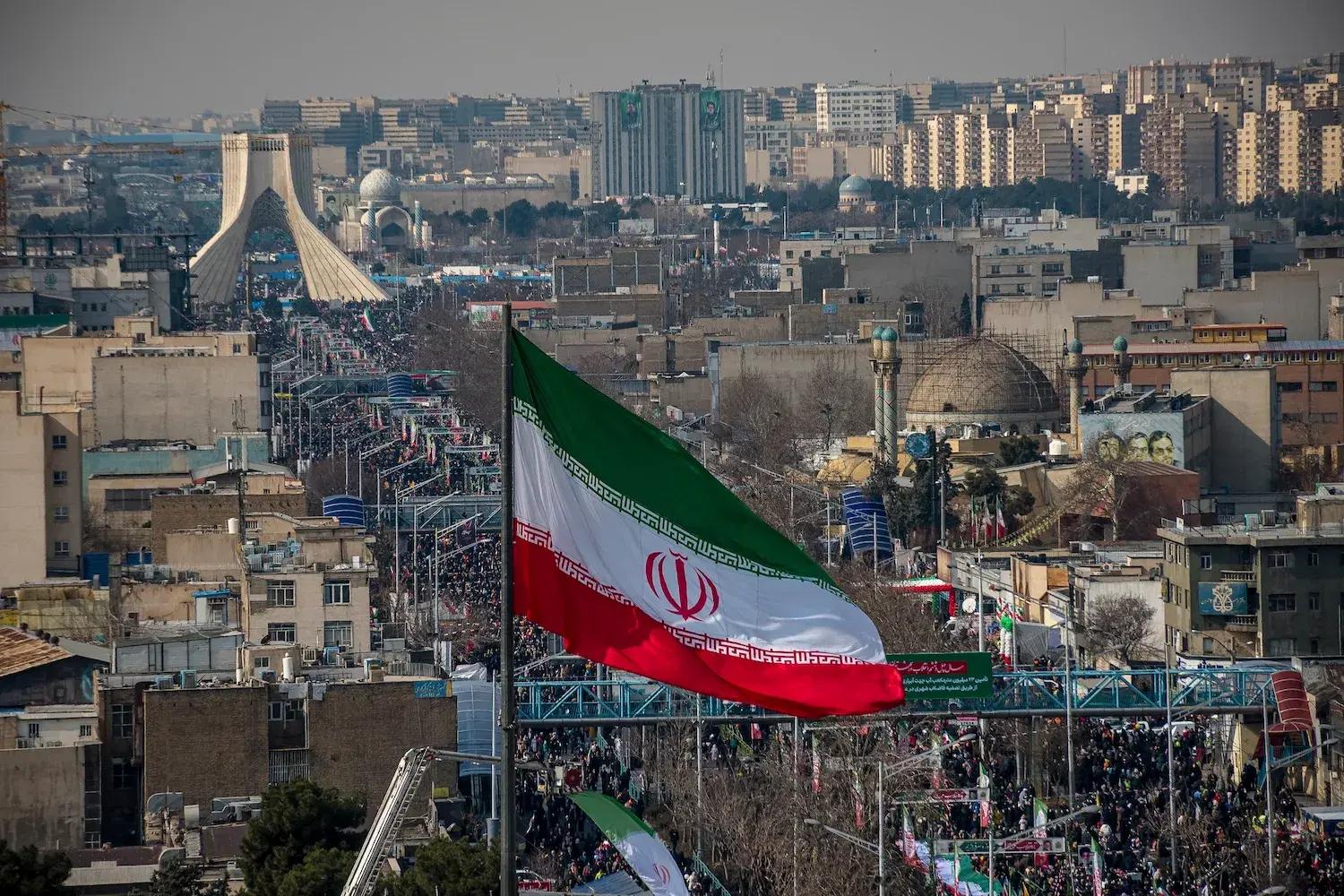
The situation within Iran remains highly volatile. Reports from Tehran describe loud explosions reverberating through the capital. There is also conflicting intelligence regarding strikes on a pivotal political institution: the assembly responsible for selecting the country's next supreme leader. While some sources indicate the building was hit in Tehran, others claim the target was in the holy city of Qom.
Amid the turmoil, preparations are underway for the burial of Ayatollah Khamenei in Mashhad, a process that could become a focal point for national sentiment and further instability.
Implications for Nigeria and the World
For Nigeria, this escalation carries significant risks. The targeting of Gulf oil facilities threatens to trigger a spike in global crude oil prices. As a nation heavily reliant on oil revenues and fuel imports, Nigeria faces potential economic pressure from both sides—volatile income and higher import costs. Furthermore, the safety of the Nigerian diaspora in the Middle East and the security of global trade routes are now under increased threat. This conflict is no longer a distant regional issue but a direct concern for Nigerian economic stability and national security.