The Middle East conflict entered a dangerous new phase on Tuesday as Iran dramatically escalated its military response, targeting economic assets and American diplomatic presence across the Gulf region.
Economic Warfare Begins
Iranian drones and missiles crashed into critical oil facilities and US embassies in coordinated strikes, signaling a strategic shift from military targets to economic warfare. This direct retaliation comes in response to recent US-Israeli strikes that reportedly eliminated much of Iran's senior leadership, including the controversial death of Supreme Leader Ayatollah Ali Khamenei.
Two-Front Pressure Intensifies
Simultaneously, Washington's ally Israel continued its offensive, bombarding targets inside Iran while pushing troops deeper into Lebanon to battle Tehran-backed militia Hezbollah. The Israeli military described this as a 'ninth wave of strikes' targeting infrastructure in Tehran, though conflicting reports emerged about whether strikes also hit the holy city of Qom.
Leadership Crisis and Attribution Confusion
The conflict's trigger remains clouded in contradictory claims. While verified reports confirm the elimination of Iran's senior leadership, the precise attribution for Khamenei's death creates confusion. One claim states the 86-year-old leader was killed during Saturday's wave of US-Israeli attacks, while another attributes the killing specifically to an aerial assault ordered by former US President Donald Trump.
Immediate Regional Fallout
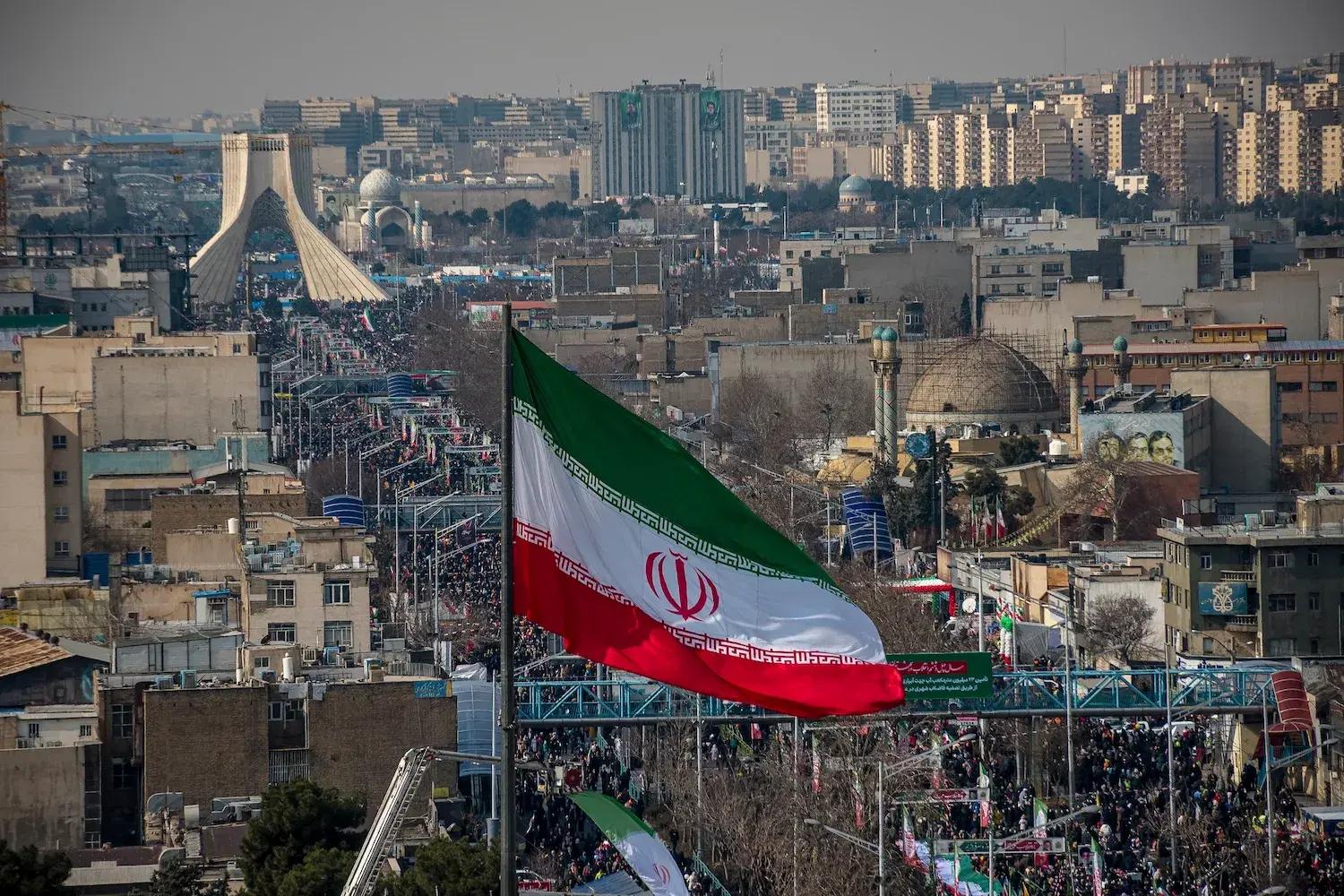
In the chaotic aftermath, loud blasts echoed around downtown Tehran according to AFP journalists. The US embassy in Riyadh, damaged and briefly set ablaze in an Iranian drone strike, issued a stark warning of an imminent attack in the eastern Saudi city of Dhahran.
Nigerian Implications and Economic Concerns
For Nigeria, this escalation carries significant implications. As Africa's largest oil producer and exporter, Nigeria's economy remains vulnerable to Middle East instability. Any sustained disruption to Gulf oil production could trigger global price spikes that would inevitably affect Nigeria's fuel subsidy calculations, inflation rates, and foreign exchange earnings.
Furthermore, Nigeria's diplomatic relationships in the region and with global powers involved in this conflict require careful navigation. As a non-permanent member of the UN Security Council and key African voice, Nigeria must balance its economic interests with its commitment to international peace and security.
What Next?
This widening conflict represents the most significant Middle East escalation in years, with potential ripple effects across global energy markets, diplomatic relations, and regional stability. Nigerian policymakers and citizens alike should monitor developments closely, as decisions made in Tehran, Washington, and Jerusalem could directly impact economic conditions in Abuja and Lagos.