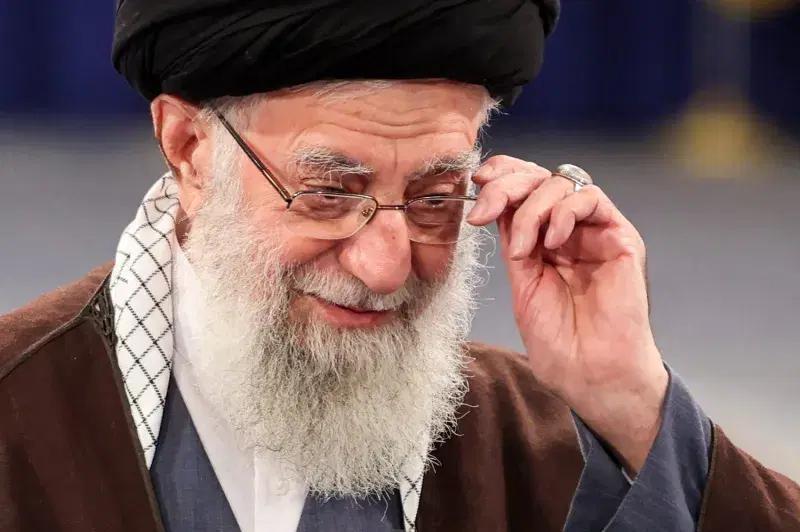
The Islamic Republic of Iran is navigating its most precarious leadership transition in decades. The death of the long-reigning Supreme Leader, Ayatollah Ali Khamenei, has triggered a constitutional process now unfolding under the shadow of direct foreign intervention and explicit threats of violence.
The Assembly of Experts Under Fire
At the heart of this crisis is the Assembly of Experts, an 88-member clerical body constitutionally mandated to appoint the next Supreme Leader. This typically secretive, deliberative process has been violently thrust into the open. Iranian media reports that this week, the Assembly's main headquarters in Tehran and a building belonging to it in the holy city of Qom were targeted by military strikes, attributed by reports to the United States and Israel.
"A Certain Target for Assassination"
Adding a layer of personal peril to the political dilemma, Israeli Defence Minister Israel Katz issued a stark warning to the Assembly. He declared that any individual chosen to succeed Khamenei "will be a certain target for assassination." This unprecedented threat aims to intimidate the selectors and potentially sway their choice, introducing a severe security calculation into a theological and political decision.
Internal Pressure and a Global Stake
Internally, the pressure is palpable. Ahmad Khatami, a member of the Assembly, summed up the tense atmosphere with a simple, telling quote: "We are all trying." The selection is not merely about ideology but about choosing a leader who can navigate an immediate existential threat from the moment of appointment.
For Nigeria and the world, the stakes are high. Iran is a key player in Middle Eastern politics and global energy markets. A destabilized Iran or a leadership chosen under duress could lead to heightened regional conflict, volatility in oil prices, and shifted international alliances. The world watches as Iran's future is decided not just in quiet chambers, but under the spectre of attack.


