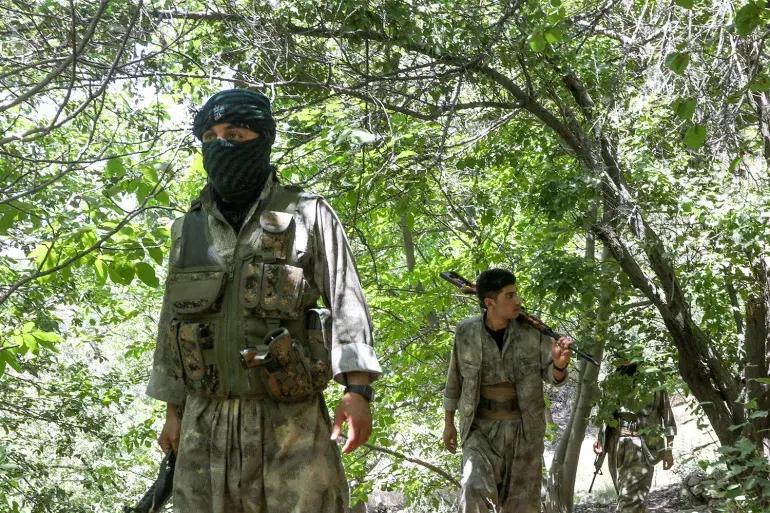
In a significant escalation of regional tensions, the Iranian military has conducted strikes against Kurdish groups operating within the borders of Iraq. This cross-border action underscores the persistent and complex conflict between Iran and Kurdish separatist movements, challenging the norms of international sovereignty.
The Nature of the Strikes
While specific operational details remain limited, such actions typically involve missile or drone attacks on suspected bases and positions in the mountainous northern regions of Iraq. Iran has consistently justified these operations as necessary measures of self-defense and counter-terrorism. Tehran designates several Kurdish factions as terrorist organizations, accusing them of fomenting unrest and conducting attacks within Iran from relative safe havens across the border.
The Kurdish Challenge and Iranian Security
For the Iranian state, Kurdish separatist groups represent a enduring security dilemma. Ethnic Kurds in Iran have long sought greater cultural and political rights, with some factions advocating for autonomy or independence. The porous border with Iraq's Kurdish region has historically provided these groups with operational space, making cross-border military responses a recurring tactic in Tehran's security playbook.
Iraq's Diplomatic Tightrope
The government in Baghdad faces a profound challenge following incidents of this nature. Officially, such strikes constitute a violation of Iraqi sovereignty and territorial integrity. However, Iraq must carefully balance its condemnation with the geopolitical reality of its powerful neighbor's influence. Navigating this relationship while maintaining domestic stability and protecting its citizens in the targeted regions is a delicate diplomatic act.
The Broader Regional Context
This event does not occur in isolation. It fits into a wider pattern of regional volatility, where state versus non-state actor conflicts frequently transcend international borders. The Middle East remains a theatre where proxy conflicts, sectarian divisions, and historical grievances continuously reshape the security landscape. The Iranian strikes in Iraq are a potent reminder that political and militant movements are often unconcerned with the lines drawn on a map, forcing nations into difficult decisions about defense and diplomacy.
As the situation develops, the international community will be watching closely to see how Iraq responds and whether this incident leads to a further deterioration of stability in an already volatile neighborhood.