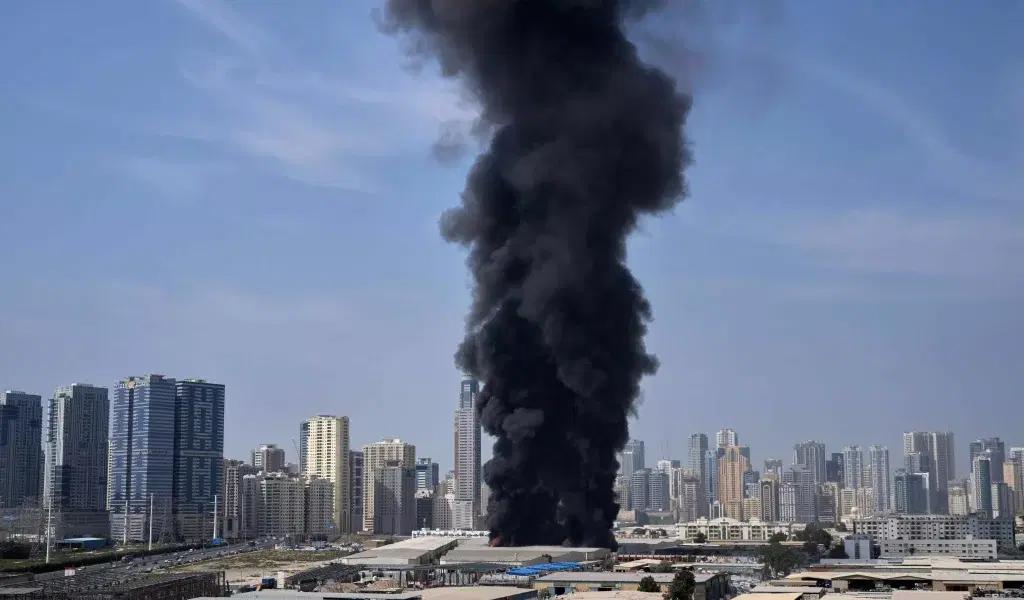
Air raid sirens pierced the night sky across multiple regions in Israel, signaling a severe and immediate threat. The cause: a confirmed direct missile attack launched from Iran. This event marks a pivotal and dangerous escalation, transitioning the long-standing shadow war between the two nations into a state of open kinetic conflict.
From Proxies to Direct Fire
For years, hostilities between Iran and Israel have been characterized by proxy engagements, cyber operations, and targeted strikes. Iran's direct launch of a missile barrage represents a calculated and bold departure from this pattern. It challenges established deterrence frameworks in the Middle East and signals a willingness to engage in overt military action, a move analysts are calling "reckless" and "game-changing."
Minutes to Shelter: Life in the Crosshairs
The wailing sirens activated Israel's well-drilled emergency protocols, giving civilians mere minutes to seek safety in designated shelters. This incident underscores the grim reality of persistent security threats for Israeli citizens, for whom such drills are a routine part of life. The psychological and physical impact of a direct attack from a regional power is profound and immediate.
International Alarm and the Specter of Wider War
The global response has been one of extreme concern. Key powers, including the United States and European nations, have repeatedly warned against actions that could destabilize the volatile Middle East further. This direct attack tests diplomatic red lines and the international community's capacity to prevent a regional conflagration. Emergency meetings at the UN Security Council are likely.
The Nigerian Perspective: Economic and Security Ripples
While geographically distant, Nigeria is not insulated from the shocks of a Middle Eastern conflict. As a major oil-producing nation, Nigeria's economy is directly tied to global energy markets. Any sustained conflict that threatens oil production or transit routes in the region can lead to significant price volatility, impacting government revenue and economic planning.
Furthermore, Nigeria's own complex security landscape offers a stark reminder of how regional conflicts can foster broader instability. The principles of sovereignty, escalation, and response are watched closely by nations worldwide. This event serves as a critical case study in the rapid escalation of interstate conflict.


