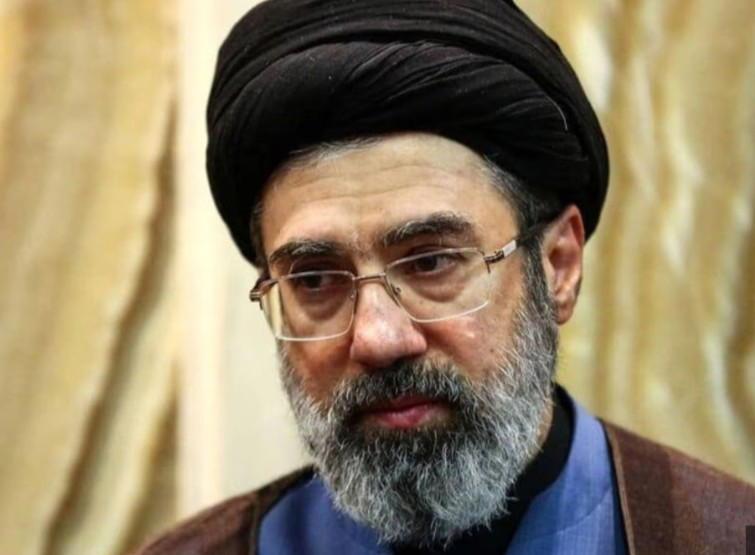
A quiet office in Tehran became the unlikely source for a high-stakes geopolitical message this week. The son of Iran's president, fielding calls from international journalists, delivered a simple, repeated assertion: the nation's newly ascended supreme leader is "safe."
This direct, personal denial aims to extinguish a wildfire of rumors suggesting the leader had been wounded, potentially gravely, in the context of ongoing regional conflict. The nature of the alleged injury and its circumstances remain obscured by the fog of information warfare, but the potential implications for Iran's political future are significant.
The Messenger and the Message
What makes this incident particularly notable is the messenger. By using a family member—the president's son—rather than an official state channel like the IRGC news arm or the president's office, the Iranian establishment is employing a hybrid communication tactic. It offers a veneer of personal reassurance, a promise delivered from within the inner sanctum of power. Simultaneously, it provides a layer of deniability; the statement is not a formal government bulletin.
The Information War
The brief assertion stands in stark contrast to the detailed, alarming narratives that had circulated for days on encrypted messaging apps and some regional media outlets. Those reports painted a picture of a leadership in potential crisis, hinting at a power vacuum that could destabilize Iran's complex governing institutions. The official denial, while firm, does not engage with these specifics. It offers no information on the supreme leader's whereabouts, health, or the specific threats he may have faced. The evidence presented is the word of a trusted relative.
A Paradox of Modern Authority
This creates a classic paradox in modern authoritarian communication. The statement is a powerful, top-down command meant to settle nerves and project control. Yet, by its informal and non-verifiable nature, it may inadvertently fuel further speculation. For the Iranian public, the news arrives filtered through the first family—simultaneously intimate and distant. They receive an assurance, but the mechanisms for independent verification are intentionally opaque.
The episode underscores the perpetual battle over perception in Iran's tightly controlled information environment. As analysts watch for the supreme leader's next public appearance, the president's son's phone may remain a symbol of how modern crises are managed—one personal call at a time.


